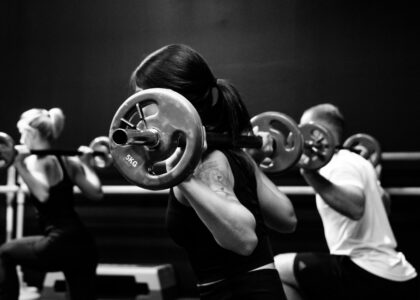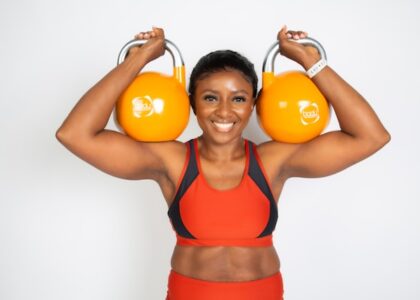
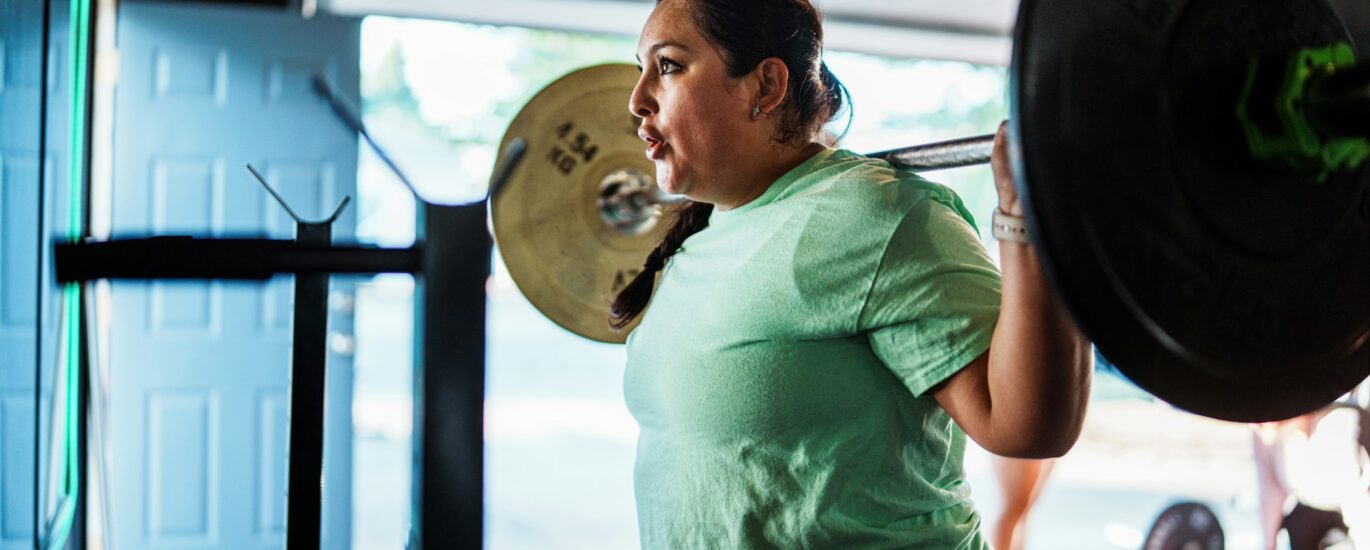
For decades, many women have been told that lifting heavy weights will make them bulky, masculine, or somehow less feminine. As a result, countless women spend years performing endless repetitions with light dumbbells, believing it’s the safest path to a toned body.
But modern exercise science tells a very different story. Strength training with challenging weights doesn’t create bulk — it builds lean muscle, strengthens bones, improves metabolism, and enhances overall health.
At the same time, many women begin noticing subtle physical changes in their 40s and 50s — strength declines more easily, joints feel stiffer, and staying active requires a little more intention.
If you’re in your 40s, 50s, or beyond, strength training isn’t just about fitness anymore — it becomes one of the most powerful tools for protecting your health, mobility, and independence.
In fact, lifting heavier weights is often exactly what the female body needs to stay strong, capable, and resilient for decades to come.
Unlock Your Potential
The Benefits of Lifting Heavy
Transitioning to heavier weights can be a game-changer for your fitness journey. Here are some powerful benefits you’ll experience:
Why Women Avoid Lifting Heavy Weights—and How to Break Through the Barriers
The Myth of “Bulking Up”
Let’s tackle the biggest myth that keeps women from reaching their true potential: the fear of “bulking up.” This misconception has held back more progress than almost any other in the fitness industry.
Here’s the scientific reality: women naturally have 10-20 times less testosterone than men, the hormone most responsible for muscle growth. Because of this, it is physiologically extremely difficult for women to build large, bulky muscles. What heavy lifting actually creates is a leaner, stronger, and more defined physique — one that not only looks amazing but also works well in daily life.
For many women in their 40s, 50s, and beyond, strength training becomes even more important as the body naturally begins to lose muscle and bone density.
“Toned” Comes from Muscle, Not Light Weights
Another myth worth debunking: the “toned” look women often want doesn’t come from endless light weights or cardio. It comes from building real muscle tissue and then reducing body fat so that definition can shine through. The only way to build that muscle is through progressive overload — constantly increasing resistance, reps, or weight so your muscles stay challenged over time.
Strength Training Builds More Than Muscle
Strength training (free weights, machines, resistance bands) doesn’t only enhance muscles — it helps slow bone loss and even build bone in women, which combats age-related fragility and risk of fractures.
Balancing the Upper and Lower Body
Interestingly, research also shows that women and men often approach training differently.
Women tend to focus more on lower body and core exercises, while men emphasize upper body lifts.
This imbalance reinforces the myth that women shouldn’t lift heavy with their upper body — when in reality, balanced, full-body strength training is what delivers lasting results.
Many women still worry that lifting heavy will make them look “too muscular.” In this short video, trainer Senada Greca breaks down why that’s a myth — and how building real strength can transform your body and mindset.
https://youtu.be/Uj3seoKqFWM
Video credit: Senada Greca on YouTube
Senada Greca explains why lifting heavy won’t make women bulky
🏋️♀️ Trainer Insight: Senada Greca
“Women often fear lifting heavy because they think it’ll make them bulky — but our hormones simply don’t support that kind of growth. What you will gain is confidence, strength, and empowerment.”
Source: Senada Greca, certified fitness coach and founder of WeRise app.
Now that we’ve cleared up the biggest myths, it’s time to look at the real impact strength training can have — from boosting confidence to transforming overall health.
The Life-Changing Benefits of Strength Training for Women
Bone Health: Your Future Self Will Thank You
One of the most powerful — and often overlooked — benefits of heavy resistance training is its ability to build and maintain bone density. This becomes especially critical as women age, and even more so during and after menopause when estrogen levels drop sharply.
Women may lose up to 20% of their bone density in the first five to seven years after menopause according to the Bone Health & Osteoporosis Foundation Meanwhile, studies in postmenopausal populations show an average reduction in bone mineral density of ~10% during the menopausal transition.
Here’s the exciting part: heavy strength training is a proven way to combat this decline. Strength training can slow bone loss and even build bone, because putting mechanical stress on bones signals bone-forming cells to respond.
Every time you lift heavy, you’re pushing your bones to adapt — becoming denser and stronger over time. That means a significantly lower risk of osteoporosis and fractures later in life, preserving your mobility and quality of life well into your golden years.
Joint Health and Longevity
Heavy lifting doesn’t just build muscle and strengthen bones — it also fortifies the connective tissues around your joints, including tendons, ligaments, and cartilage. Over time, this support makes your joints more stable, resilient, and less prone to injury.
In fact, strength training is shown to improve joint function and reduce pain, even for people living with arthritis. According to Mayo Clinic, strengthening the muscles around joints helps protect joints and enhances their stability.
A recent meta-analysis found that resistance training significantly improved strength, function, and reduced pain in individuals with knee and hips osteoarthritis when performed consistently. By keeping your joints strong and moving well, heavy lifting helps you age with more mobility and less discomfort — preserving your independence and sense of freedom in everyday life.
Metabolic Advantages That Last
Here’s one of the most powerful long-term perks of lifting heavy: muscle tissue is metabolically active, meaning it burns calories even when you’re at rest. The more lean muscle mass you build through strength training, the higher your resting metabolic rate (RMR) will be, making weight management far easier over time.
Heavy resistance training also improves insulin sensitivity, helping your body process glucose more efficiently and reducing the risk of metabolic disorders like type 2 diabetes. Moreover, it supports healthy hormone regulation — including optimizing the modest yet important amounts of testosterone women produce, which play roles in muscle growth, energy, and vitality.
Heavy Lifting Made Simple
Getting Started with Heavy Lifting Safely
Starting a journey in heavy lifting doesn’t need to be overwhelming. Here’s how you can approach it step-by-step while ensuring your safety and effectiveness. This guide aims to help you maximize your results and minimize any risk of injury as you develop your strength.
Whether you’re a beginner or looking to refine your technique, there’s value in carefully planning your lifting routine. Start by understanding the importance of proper assessment and form to avoid mistakes. Let’s dive in!
Combating the Aging Process
For postmenopausal women, heavy strength training offers unique, powerful advantages in the fight against aging. Not only does it counteract bone loss, but it also helps maintain muscle mass — which naturally starts declining by 3-5% per decade after age 30.
Moreover, lifting heavy improves mood, boosts energy levels, and enhances sleep quality — all critical as hormonal changes kick in. These benefits aren’t superficial; they give you a sense of control and empowerment during a time when many women feel their bodies are changing beyond their influence.
Real-World Functional Strength
Think about it: when was the last time you actually needed to lift something 50 times in rapid succession? Almost never. But how often do you need to drag heavy suitcases, move furniture, or carry groceries up the stairs? All. The. Time.
Heavy strength training builds functional strength that directly transfers to daily life, from lifting luggage into the car to carrying groceries, gardening, or even picking up your grandchildren. After consistent work, you’ll notice improvements in simple task. Stronger muscles also give your joints better support, reducing your risk of common injuries.
The Confidence and Empowerment Factor
Perhaps most importantly, there’s something uniquely empowering about progressively lifting heavier weights. Each time you add weight to the bar, you prove to yourself that you are stronger than you believed possible. That confidence doesn’t stay confined to the gym — it spills over into your work, relationships, and every area of life.
Research backs this up: studies show that women doing weight training report significant improvements in self-esteem, body image, and physical self-perception, simply by seeing strength gains and changes in their bodies.
Another study found that women often rank resistance training as one of the most empowering physical activities they do — feeling accomplished after a tough lift increases mental toughness and self-worth.
Additionally, lifting heavy challenges outdated societal expectations about what women “should” or “shouldn’t” do. That’s not just personally liberating — it’s culturally important. Setting your own strength standard has ripple effects beyond just fitness.
Celebrate Your Progress
Tracking Your Strength Journey: A Personal Milestone
Tracking your progress in strength training is hugely rewarding. Keeping a record of your weights, reps, and personal bests not only motivates you but also highlights your achievements. You might want to try a fitness journal or use an app to log your workouts. Setting both short-term and long-term goals can make your journey even more enjoyable. Each small victory, whether it’s lifting a bit more or completing an extra rep, contributes to your overall progress. Celebrate these moments, as they remind you of how far you’ve come and encourage you to keep pushing your limits. Embrace this journey as a valuable opportunity for self-growth!
A Complete Strength Training Program for Women: How to Lift Heavy for Real Strength
Now that you understand the compelling reasons to lift heavy, let’s discuss how to implement this approach safely and effectively.
Program Framework
Frequency: Train 2-3 times per week with at least one full rest day between sessions
Duration: Begin with a 4-6 week program to build confidence and establish proper movement patterns
Defining “Heavy”: Weight that challenges you for 6-8 repetitions (approximately 75-80% of your maximum effort)
The Foundation: Three Essential Movement Patterns
- Squat Pattern
- Beginner option: Goblet squats holding a dumbbell or kettlebell
- Progression: Barbell back squats or front squats
- Primary targets: Quadriceps, glutes, hamstrings, and core stabilizers
- Push Pattern
- Beginner option: Push-ups (modify on knees or against an incline if necessary)
- Progression: Bench press, overhead press, or dumbbell variations
- Primary targets: Chest, shoulders, and triceps
- Pull Pattern
- Beginner option: Assisted pull-ups or bent-over dumbbell rows
- Progression: Deadlifts, barbell rows, or weighted pull-ups
- Primary targets: Latissimus dorsi, rhomboids, rear deltoids, and biceps
Progressive Training Schedule
Foundation and Form Phase (Weeks 1-2)
- Volume: 2 sets of 8-10 repetitions
- Focus: Master proper movement patterns and establish mind-muscle connection
- Weight selection: Choose loads that feel moderately challenging but allow perfect form
Strength Building Phase (Weeks 3-4)
- Volume: 3 sets of 6-8 repetitions
- Progression rule: Increase weight when you can complete all repetitions with 2-3 reps remaining in reserve
- Rest periods: Allow 2-3 minutes between sets for adequate recovery
Heavy Strength Phase (Weeks 5-6)
- Volume: 3 sets of 5-6 repetitions
- Intensity: This should feel genuinely challenging
- Progression: Add 2.5-5 pounds when you can complete all sets with proper form
Myth vs Reality
Why Lifting Heavy is for Everyone
There’s a lot of noise in the fitness world about heavy lifting. It’s time to clear up some common misunderstandings you might have.
01
Strength Boost
Heavy lifting helps increase strength for everyday tasks, making everything from carrying groceries to playing with kids easier.
02
Lean Muscles
Embracing heavier weights can lead to a toned body without the bulk, perfect for achieving that sculpted look.
03
Safer Training
Using proper form with heavier weights can enhance safety and help prevent injuries, contrary to popular belief.
Strength Training for Women: How to Start Lifting Heavy Step by Step
Start Intelligently
First, begin with dumbbells or kettlebells before progressing to barbells, as they’re generally more user-friendly for beginners. Additionally, practice each movement with just your bodyweight until you can perform it with perfect form.
Furthermore, consider investing in 2-3 sessions with a qualified personal trainer who specializes in strength training. This initial investment will pay dividends in terms of proper form, confidence, and injury prevention.
Track Your Progress Meticulously
Document your weights, sets, and repetitions for each workout. Not only does this ensure progressive overload, but seeing concrete improvements is also incredibly motivating and helps maintain consistency.
Prioritize Recovery and Safety
Remember, heavy training requires adequate recovery. Therefore, always begin each session with a thorough warm-up, including dynamic movements and lighter weight preparation sets. Additionally, focus relentlessly on proper form rather than ego-driven weight selection.
Moreover, listen to your body and don’t hesitate to take extra rest days when needed. Your muscles grow and strengthen during recovery periods, not during the actual training sessions.
Build Your Support System
Whether it’s a training partner, online community, or supportive gym environment, surrounding yourself with people who encourage your strength goals makes an enormous difference in long-term success.
The Bottom Line: Why Women Should Stop Settling for Light Weights
Ladies, here’s the truth: your muscles are capable of extraordinary things, but only if you demand more from them. Those light weights might feel comfortable and safe, but they’re preventing you from achieving the strong, resilient, confident physique you’re working so hard to attain.
Furthermore, if you’re postmenopausal or approaching that life stage, the stakes are even higher. Heavy strength training isn’t just about looking great—although you absolutely will. Rather, it’s about building a body that can withstand the test of time, maintain independence, and resist the degenerative effects of aging.
Most importantly, every workout spent with weights that don’t challenge you is a missed opportunity. You’re investing valuable time in the gym, so why not maximize the return on that investment?
Therefore, the next time you’re at the gym, don’t be afraid to move beyond the light dumbbells and challenge yourself with weights that truly stimulate your muscles. Your future self—the one with strong bones, powerful muscles, and unshakeable confidence—will be profoundly grateful.