

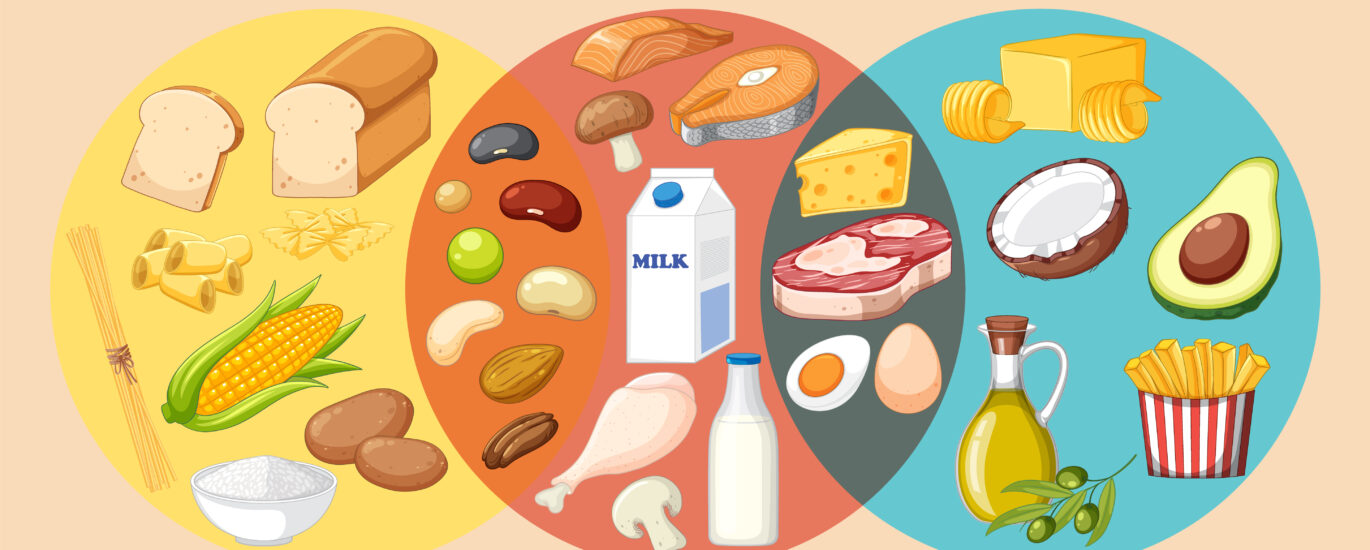
If you’ve spent any time reading about nutrition or fitness, you’ve probably heard people talk about “tracking macros” or “hitting their macros.” But what exactly are macronutrients, and why do they matter so much for your health and fitness goals?
After years of trying to lose weight and build muscle myself, I eventually realized something important: understanding macronutrients completely changed the way I approached food. Today, I’m breaking down everything you need to know about macros and how to use them effectively, whether your goal is shedding pounds or building strength.
Understanding Macronutrients
Discover the essential role of macronutrients in your diet: Proteins, Carbohydrates, and Fats. Balancing these nutrients is key to achieving your health goals, whether it’s losing fat or building muscle.
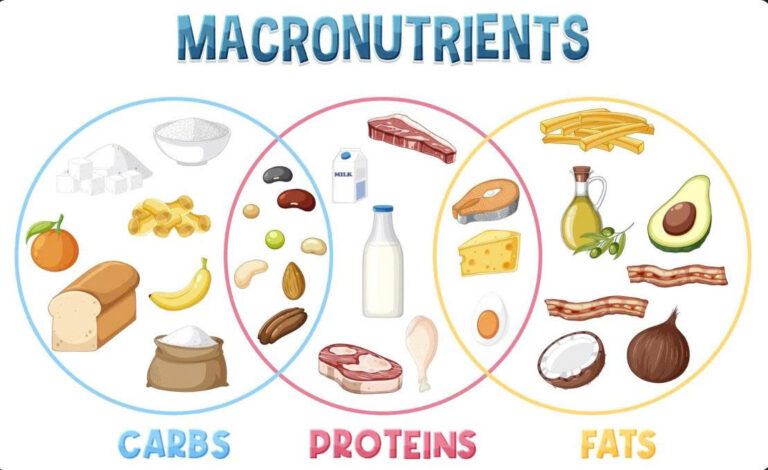
What Are Macronutrients? Understanding Protein, Carbs, and Fats
Macronutrients, or “macros” for short, are the three main nutrients your body needs in large amounts to function properly. As we get older, understanding how these nutrients work becomes even more important for maintaining energy levels, supporting muscle mass, and managing body weight. Each macro serves specific purposes in your body and provides energy in the form of calories:
Protein: 4 Calories per Gram and Why It Matters for Your Body
Protein is the building block of your muscles, organs, hormones, and enzymes, and plays a key role in how much protein you need each day. It’s composed of amino acids—some your body can make on its own, and others (essential amino acids) you must get from food. Protein is crucial for:
- Building and repairing muscle tissue
- Supporting immune function
- Maintaining healthy skin, hair, and nails
- Creating enzymes and hormones
- Preserving lean muscle mass during weight loss
Best sources: Lean meats, fish, eggs, dairy, legumes, quinoa, tofu, protein powders
Carbohydrates: 4 Calories per Gram and How They Fuel Your Energy
Carbohydrates are your body’s preferred source of energy, especially for your brain and muscles during exercise. They break down into glucose, which fuels your cells. Carbs come in two main types:
- Simple carbs: Quick energy sources like fruits, honey, and processed sugars
- Complex carbs: Slower-releasing energy from whole grains, vegetables, and legumes
Carbohydrates help with:
- Providing immediate energy for workouts
- Supporting brain function
- Replenishing muscle glycogen after exercise
- Supporting recovery and performance
Best sources: Oats, rice, potatoes, fruits, vegetables, whole grains, legumes
Fats: 9 Calories per Gram and Their Role in a Healthy Diet
Despite what diet culture might have told you, fats are essential for optimal health. They’re the most calorie-dense macro, providing more than twice the energy per gram as protein and carbs. Fats are vital for:
- Hormone production (including testosterone and growth hormone)
- Absorbing fat-soluble vitamins (A, D, E, K)
- Supporting brain health and cognitive function
- Providing sustained energy
- Maintaining healthy cell membranes
Best sources: Avocados, nuts, seeds, olive oil, fatty fish, egg yolks, coconut oil
Macronutrients for Fat Loss: How to Fuel Your Body Right
If your primary goal is losing weight, you need to be in a calorie deficit—consuming fewer calories than you burn. In simple terms, research shows that fat loss ultimately comes down to consistently eating fewer calories than your body uses.
However, the way you balance your macros within that calorie deficit can greatly influence how successful—and how sustainable—your weight loss will be..
Recommended Macro Split for Weight Loss:
- Protein: 30-35% of total calories (or 0.8-1.2g per pound of body weight)
- Carbohydrates: 30-40% of total calories
- Fats: 25-30% of total calories
Remember: These numbers aren’t one-size-fits-all. Think of them as a starting point. Your ideal balance depends on your body, your goals, and your lifestyle. The best plan is the one you can stick with long term—and if you need extra guidance, a dietitian can help you personalize it.
Why This Split Works:
Higher Protein Intake:
- Preserves lean muscle mass during weight loss
- Research published in the Journal of the International Society of Sports Nutrition shows that a higher protein intake can help preserve muscle mass during weight loss.
- Has the highest thermic effect (burns more calories during digestion)
- Increases satiety, helping you feel full longer
- Helps prevent metabolic slowdown
Moderate Carbohydrates:
- Provides enough energy for workouts
- Supports thyroid function and metabolism
- Includes plenty of fiber-rich options for satiety
- Allows flexibility for fruits and vegetables
Adequate Fats:
- Supports hormone production
- Helps with nutrient absorption
- Provides satiety and meal satisfaction
- Prevents feelings of deprivation
Practical Tips for Weight Loss Macros:
- Start each meal with protein to increase satiety and preserve muscle
- Choose complex carbs most of the time for sustained energy and fiber
- Don’t fear fats, but measure portions since they’re calorie-dense
- Time your carbs around workouts when possible for better energy utilization
- Track your intake for at least a few weeks to understand portion sizes
Sample Day for Weight Loss (1,600 calories):
- Protein: 140g (35% = 560 calories)
- Carbohydrates: 160g (40% = 640 calories)
- Fats: 44g (25% = 400 calories)

How Macronutrients Support Strength and Muscle Growth
Building muscle requires being in a caloric surplus—eating more calories than you burn—combined with progressive resistance training. In practice, research shows that muscle growth happens more effectively when strength training is supported by enough calories and adequate protein intake.
Recommended Macro Split for Muscle Gain:
- Protein: 25-30% of total calories (or 0.8-1.2g per pound of body weight)
- Carbohydrates: 45-55% of total calories
- Fats: 20-25% of total calories
Why This Split Works:
Adequate Protein:
- Provides amino acids for muscle protein synthesis
- Supports recovery between workouts
- Maintains positive nitrogen balance for growth
Higher Carbohydrate Intake:
- Fuels intense training sessions
- Replenishes muscle glycogen stores
- Has a protein-sparing effect
- Supports insulin response for nutrient uptake
Moderate Fats:
- Supports hormone production for muscle growth
- Provides essential fatty acids
- Adds calorie density without excessive volume
Practical Tips for Muscle Building Macros:
- Eat protein every 3-4 hours to maintain elevated amino acid levels
- Have carbs before and after workouts for energy and recovery
- Don’t drastically cut fats as they support anabolic hormones
- Eat in a moderate surplus (300-500 calories above maintenance)
- Focus on nutrient timing around your training sessions
Sample Day for Muscle Gain (2,400 calories):
- Protein: 180g (30% = 720 calories)
- Carbohydrates: 300g (50% = 1,200 calories)
- Fats: 53g (20% = 480 calories)
Eat Well, Train Well
Discover the Power of Proper Nutrition
Balanced Energy Levels
Balanced nutrition helps maintain steady energy throughout the day, making workouts more effective and reducing fatigue.
Supports Muscle Growth
A tailored diet rich in protein and healthy fats aids in muscle recovery and promotes growth, helping you get stronger.
Improves Overall Health
Eating right isn’t just about fitness; it enhances wellness, boosts immunity, and contributes to a vibrant life.
Can You Lose Fat and Build Muscle at the Same Time?
Many people, especially beginners, want to lose fat and gain muscle simultaneously. While challenging, it’s possible with the right approach:
- Eat at maintenance calories or a very slight deficit
- Prioritize protein (1.0-1.4g per pound of body weight)
- Focus on strength training with progressive overload
- Be patient—progress will be slower but more sustainable
- Consider cycling between short fat loss and muscle gain phases
Getting Started: How to Calculate Your Macros Step by Step
- Determine your Total Daily Energy Expenditure (TDEE) using an online calculator
- Set your calorie goal based on your objective (deficit for weight loss, surplus for muscle gain)
- Calculate protein first based on your body weight
- Distribute remaining calories between carbs and fats based on your goals and preferences
- Track your intake using an app like MyFitnessPal or Cronometer to better understand how to track your calories and macros effectively.
- Monitor and adjust based on your progress and how you feel
Macronutrients FAQ: Answers to Common Questions
How many macros should I eat per day?
There’s no single “perfect” macro split that works for everyone. Your ideal balance depends on your goals, activity level, and body type. A good starting point is to prioritize protein, then adjust carbs and fats based on your energy needs and preferences.
Do I need to track macros to lose weight?
No, tracking macros isn’t mandatory for weight loss. What matters most is maintaining a consistent calorie deficit. However, tracking can be a helpful tool to better understand portion sizes and ensure you’re getting enough protein.
Are carbs bad for fat loss?
Carbohydrates are not the enemy when it comes to fat loss. In fact, they provide energy for your workouts and support overall performance. What matters most is total calorie intake and choosing mostly whole, nutrient-rich carb sources.
Final Thoughts: Mastering Macros for Long-Term Success
Understanding macronutrients isn’t about chasing perfection or obsessively logging every bite. It’s really about learning how to make smart choices that support your goals. Whether you want to lose fat, build strength, or simply feel healthier, knowing your macros gives you the power to eat with purpose and see real results.
The truth is, there’s no one “perfect” macro split. The best plan is the one that fits your lifestyle and that you can stick with long term. Use these guidelines as a starting point, then adjust based on your preferences and how your body feels along the way.
Most importantly, focus on eating real, nutrient-rich foods, stay consistent, and give yourself time. Progress might not happen overnight—but if you stay the course, your body (and your energy) will show the results.