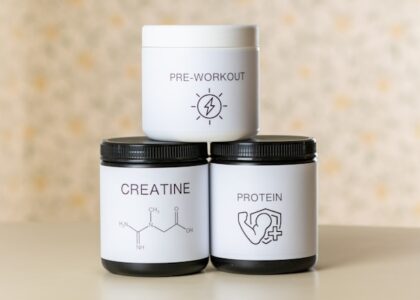

When it comes to fixing insulin resistance, what you eat is only half the battle—the other half is when you eat, which is why mastering your pre-workout vs post-workout nutrition changes everything for your metabolism. By strategically aligning your meals with your training schedule, you can leverage your body’s natural physiological windows to stabilize blood sugar, refill muscle glycogen, and dramatically boost your insulin sensitivity.
Have you ever felt completely sluggish during a workout? Or maybe you’ve experienced a massive energy crash an hour after leaving the gym. If that sounds familiar, or if you’ve wondered why your hard work isn’t showing up on the scale, improper nutrient timing might be the missing piece. Let’s break down exactly how to fuel before and after your sessions for maximum metabolic results.
- Note: This guide is part of our comprehensive series on metabolic health. For the complete breakdown of how elevated blood sugar impacts your waistline, start with our master post on Insulin Resistance: How It Prevents Fat Loss.
Part 1: Pre-Workout Nutrition — To Fast or To Fuel?
The goal of pre-workout nutrition is simple. You want to provide enough energy to perform without creating a large insulin spike right before you train.
When you eat a high-carbohydrate meal right before exercising, your body releases insulin to manage the incoming sugar. However, if you immediately start lifting heavy weights, your muscles and your insulin are competing to pull glucose out of your bloodstream at the same time. This sudden tug-of-war can cause your blood sugar to drop rapidly during your workout. As a result, you might experience dizziness, early fatigue, and brain fog.
To prevent this, you should match your strategy to your training style.
Strategy A: Fasted Training (Best for LISS & Light Cardio)
Exercising in a fasted state—such as first thing in the morning before breakfast—means your baseline insulin levels are low.
-
The Benefit: Low insulin levels force your body to rely primarily on stored fatty acids for fuel. Specifically, Low-Intensity Steady-State (LISS) training can help break down intramyocellular lipids (the micro-fat droplets inside muscle cells that block insulin signals).
-
When to Use It: Fasted training works great for morning walks, steady cycling, or light active recovery.
-
When to Avoid It: Avoid fasted training if you are doing intense, heavy compound lifting or high-volume workouts. In those cases, you need immediate glycogen to lift safely and maintain power.
Strategy B: Protein & Healthy Fat (Best for Lifting Days)
If you need food before a heavy strength session, focus on fuel that won’t trigger a massive insulin spike.
-
The Ideal Pre-Workout Meal: Eat a combination of protein and healthy fats with low-to-zero simple carbohydrates about 1–2 hours before training
Pro Tip for High-Carb Days: Keep pre-workout healthy fats moderate (10–15g, or about 1 tablespoon of nut butter or a small handful of nuts). Since lifting days are higher-carb days, keeping pre-workout fat controlled ensures steady energy without pushing your daily total fat intake too high.
-
Examples:
-
A scoop of whey or plant protein mixed with almond milk and a spoonful of peanut butter.
-
Hard-boiled eggs with a handful of walnuts.
-
Greek yogurt with a few chia seeds.
-
-
Why It Works: Protein and fat provide steady, long-lasting amino acids and energy. Because they do this without driving up insulin, your workout contractions can naturally trigger GLUT-4 glucose transporters to clear blood sugar.
Part 2: Post-Workout Nutrition — The “Glucose Sponge” Window
If pre-workout is about maintaining steady blood sugar, then post-workout is about taking advantage of your body’s maximum metabolic flexibility.
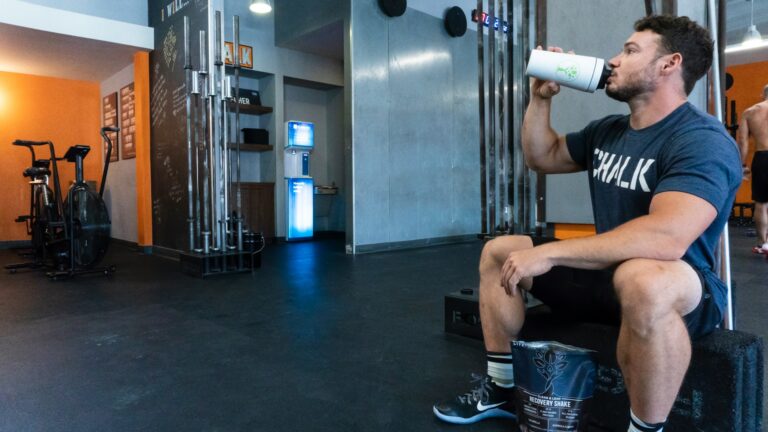
During the 60 to 90 minutes immediately following a resistance training session, your muscles act like a dry sponge. Because muscle contractions drive GLUT-4 transporters directly to the cell surface, your muscle tissue is primed to absorb glucose aggressively. Best of all, it does this with minimal reliance on insulin.
What Happens to Post-Workout Carbs?
When you consume carbohydrates in the post-workout window, your body handles them completely differently:
-
They are rapidly directed into your muscle cells to rebuild depleted glycogen.
-
They are far less likely to be stored as body fat, even in individuals with insulin resistance.
-
They help lower cortisol (the stress hormone) levels caused by hard exercise, which signals to your body that it is safe to recover.
The Ideal Post-Workout Formula
To maximize recovery and boost insulin sensitivity, your post-workout meal should combine fast-acting protein with unprocessed, complex carbohydrates while keeping fat low.
-
Protein (25–40g): Triggers muscle protein synthesis and supplies essential amino acids to repair muscle tissue tears.
-
Carbohydrates (30–60g): Refills muscle glycogen stores and accelerates recovery.
-
Keep Fat Low: While healthy fats are great at other times, keep dietary fat low in your immediate post-workout meal. This is because fat slows down digestion, which delays the delivery of protein and carbohydrates to your starving muscle cells.
Post-Workout Meal Examples:
-
Option 1 (Quick & Portable): A whey protein isolate shake paired with a ripe banana or a small bowl of white rice or oats.
-
Option 2 (Whole Food Meal): Grilled chicken breast or turkey with a baked sweet potato and steamed green beans.
-
Option 3 (Plant-Based): Tofu or tempeh stir-fry with jasmine rice and broccoli.
Pre vs. Post-Workout Nutrition Summary
To keep things simple, here is a quick reference guide for structuring your workout fuel:
|
Timing Window |
Primary Goal |
Recommended Foods |
What to Avoid |
|
Pre-Workout (1–2 hours before) |
Provide steady energy without spiking insulin |
Protein + Healthy Fats (e.g., Eggs, protein shake with nut butter) |
High-glycemic carbs, sugary drinks, or heavy meals right before training |
|
Post-Workout (Within 60–90 mins) |
Refill glycogen & shuttle glucose to muscle cells |
Fast-digesting Protein + Complex Carbs (e.g., Chicken & sweet potato, oats & protein) |
High-fat meals (which slow down nutrient absorption) |
Key Takeaway
You don’t need to fear carbohydrates—you just need to earn them! By mastering the balance of your pre-workout vs post-workout nutrition, you can keep your pre-workout meals low-carb to prevent blood sugar dips and place the majority of your daily carbohydrates in your post-workout window. When your muscles are primed to absorb them, you turn every single workout into an active tool to reverse insulin resistance.
Bonus Quick Guide
I just ran across this great short video that breaks down everyday foods that help naturally lower blood sugar. Take a quick look—you might find some perfect inspiration for your next meal!
https://www.youtube.com/shorts/8AbK7886vWQ
Shoutout to the team at Mastering Diabetes for the excellent breakdown! You can check out their channel for more evidence-based tips on reversing insulin resistance.
- Next Step: Learn how to balance these high and low-carb meals across your entire week in our guide on Carb Cycling for Insulin Resistance: A Beginner’s Guide, or build the ideal training routine with our 3-Day Compound Lifting Workout Routine For Metabolic Health.