
Learn how strength training and cardio contribute to weight loss. Get practical advices on combining these exercises for the best results and tracking your progress effectively.
Here’s a question many people ask when they want to lose weight: should you focus on lifting weights or doing more cardio?
If you’re working out with fat loss in mind, choosing the right balance can make a real difference — especially as your metabolism and lifestyle change over time.
Let’s look at both approaches so you can decide what works best for you.
Weight Loss: The Basics
Before comparing strength training and cardio, it’s important to understand one key principle: weight loss happens when your body burns more calories than it consumes — this is called a caloric deficit.
However, the way you create that deficit matters. Relying only on diet can lead to muscle loss and a slower metabolism, while combining exercise with healthy eating helps preserve lean mass and supports long-term results.
Your body isn’t a simple machine that responds in a fixed way to calorie numbers. It adapts — slowing down or speeding up energy use depending on how you eat, move, and rest.
The type of exercise you do also makes a difference: cardio burns more calories during the workout, while strength training boosts your metabolism for hours afterward and even while you sleep.
Cardio Training
Cardiovascular exercise has long been the go-to recommendation for weight loss — and for good reason. A one-hour run can burn anywhere from 400 to 800 calories, depending on your weight and intensity.
There’s also a cardio style for everyone: jogging, cycling, rowing, or High-Intensity Interval Training (HIIT) — which alternates bursts of effort and recovery. HIIT became popular for its afterburn effect, meaning your body keeps burning calories for hours after the workout ends.
Beyond calorie burning, cardio brings powerful health benefits. It can lower your risk of heart disease by up to 30%,, help prevent type 2 diabetes by improving insulin sensitivity, and even reduce symptoms of depression and anxiety — giving a real boost to your overall well-being.
However, cardio isn’t perfect. Over time, your body adapts and becomes more efficient, which means you’ll burn fewer calories doing the same activity. And if you overdo it without enough strength training or protein, you may lose some muscle mass along the way.
The Power of Strength Training
Cardio burns more calories during a single session, but strength training offers lasting results. It’s a powerful, though often underestimated, contributor to weight loss. Lifting weights not only burns calories — it also helps your body stay more metabolically active.
Research shows that increasing lean muscle mass can slightly raise your resting metabolism. In simple terms, the more muscle your body has, the more calories it naturally burns throughout the day — even when you’re resting.
Like cardio, strength training improves insulin sensitivity, helping your body regulate blood sugar more effectively. It also enhances balance, lowers the risk of injury, and shapes a more defined look as you lose fat.
In just 12 weeks, consistent strength training can increase overall muscle strength by up to 35-40% and reduce body fat by around 3% — results that may come slower than with cardio but are often more sustainable.
Beyond muscle and fat, strength training supports bone health, reducing the risk of osteoporosis. It also elevates mood, boosts confidence, and helps ease anxiety — making it one of the most complete forms of exercise for both body and mind.
Why Strength Training Becomes More Important After 40
As we move into our 40s and beyond, our bodies naturally begin to change. One of the most important shifts is the gradual loss of muscle mass, a natural process called sarcopenia — the gradual loss of muscle that tends to happen as we get older. Without regular resistance training, adults can lose several percent of their muscle mass each decade after midlife.
This loss of muscle doesn’t just affect strength. It can also slow metabolism, making it easier to gain fat and harder to maintain a healthy weight. At the same time, joints may become less stable and everyday movements — such as climbing stairs, carrying groceries, or getting up from a chair — may start to feel more demanding.
Fortunately, strength training can help slow down — and even partially reverse — many of these changes.. By stimulating muscle growth and maintaining bone density, it supports a more active metabolism and stronger joints. Just as importantly, it improves balance and coordination, which can reduce the risk of falls as we age.
The good news is that it’s never too late to start. Even people who begin resistance training in their 40s, 50s, or later can experience meaningful improvements in strength, mobility, and overall health.
The Verdict: Why Not Both?
The good news is: you don’t have to choose. Combining cardio and strength training is likely your best bet for both weight loss and lasting fitness.
Research has shown that when people follow an exercise programme that includes both aerobic and resistance training — alongside a suitable diet — they tend to achieve larger reductions in fat mass than when they focus on just one mode. For example, in one controlled trial overweight adults who did both modalities lost about 6.7 kg of fat over ~22 weeks, compared to ~4.2–4.7 kg in strength-only or endurance-only groups.
That said, the exact size of the benefit depends on many factors (intensity, diet, starting fitness, volume). But the takeaway is clear: for long-term success, integrating both cardio and strength is a smart strategy.

Here’s a balanced weekly approach:
To get the best of both worlds, aim for a mix of strength and cardio each week.
Try scheduling 2–3 strength training sessions that target all major muscle groups and 2–3 cardio sessions, combining steady-state workouts with some HIIT for variety and metabolism boost.
Finally, include 1–2 rest or active recovery days to let your body repair, adapt, and come back stronger.
If you’d like a quick, science-based summary of the cardio vs weight-lifting debate,
this short video from Precision Nutrition explains it perfectly.
It shows how both training styles can help you burn fat, improve fitness,
and maintain long-term results.
Credit : Precision Nutrition
Tittle : The Best Exercises for Fat Loss: Cardio vs Weight Lifting
After watching, you’ll see why combining both cardio and strength training
is the most effective, sustainable approach to fat loss.
Making It Work for You
The most effective exercise program is the one you actually stick with. Match your plan to your life — not the other way around.
When building your routine, think about:
how much time you realistically have each day,
what equipment (if any) is available,
your current fitness level,
the activities you genuinely enjoy, and
any existing injuries or movement limits.
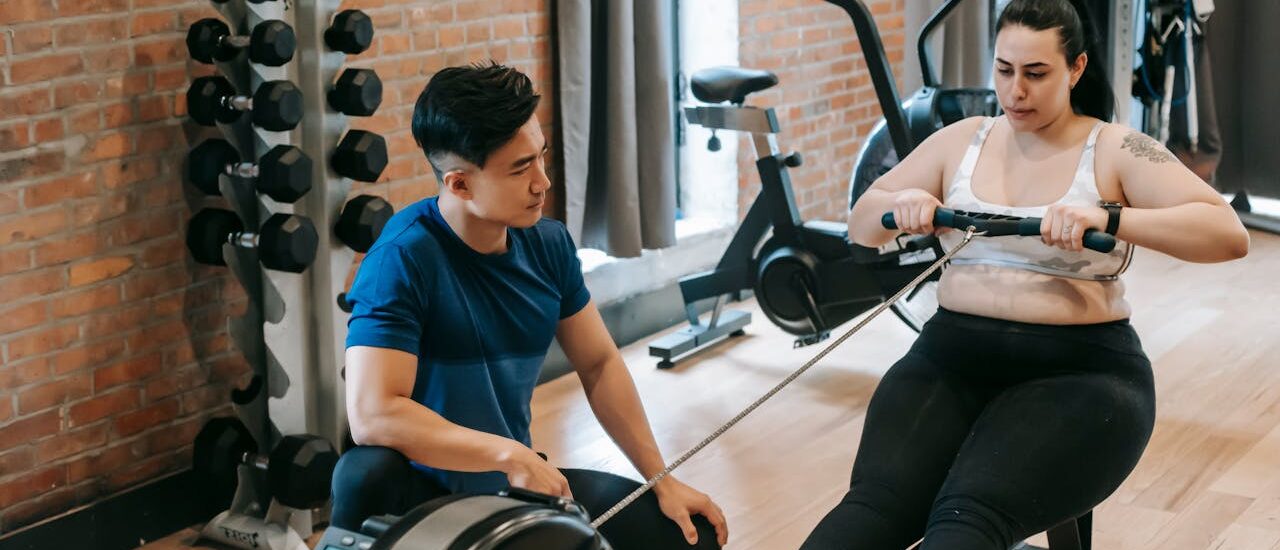
Start conservatively and progress step-by-step: increase volume, intensity, or complexity gradually so your body can adapt. If you’re new to lifting or returning from injury, a few sessions with a certified trainer will teach safe technique, speed up progress, and reduce the chance of painful setbacks.
Small, sustainable choices beat dramatic, short-lived plans. Make it simple, enjoyable, and flexible — and you’ll be far more likely to keep going.
Tracking Your Progress
Don’t rely solely on the scale to measure your results.
Take progress photos, track body measurements, and pay attention to how your clothes fit and how you feel. These indicators often reveal changes the scale can’t show.
When you start strength training, your weight might not drop immediately — and that’s perfectly normal. You’re likely building lean muscle while losing fat, which improves your shape and metabolism even if the number on the scale stays the same.
The Bottom Line
Both strength training and cardio play essential roles in any well-designed fat loss program.
Cardio helps you create a calorie deficit faster, while strength training boosts your metabolism and preserves lean muscle — the foundation of long-term fat loss.
The truth is, the best exercises for fat loss are the ones you enjoy and can stay consistent with. Sustainable weight loss takes time — but the habits you build along the way are what make the results last. Stay flexible, adjust as you go, and remember — consistency, not perfection, is what truly transforms your body and health.