

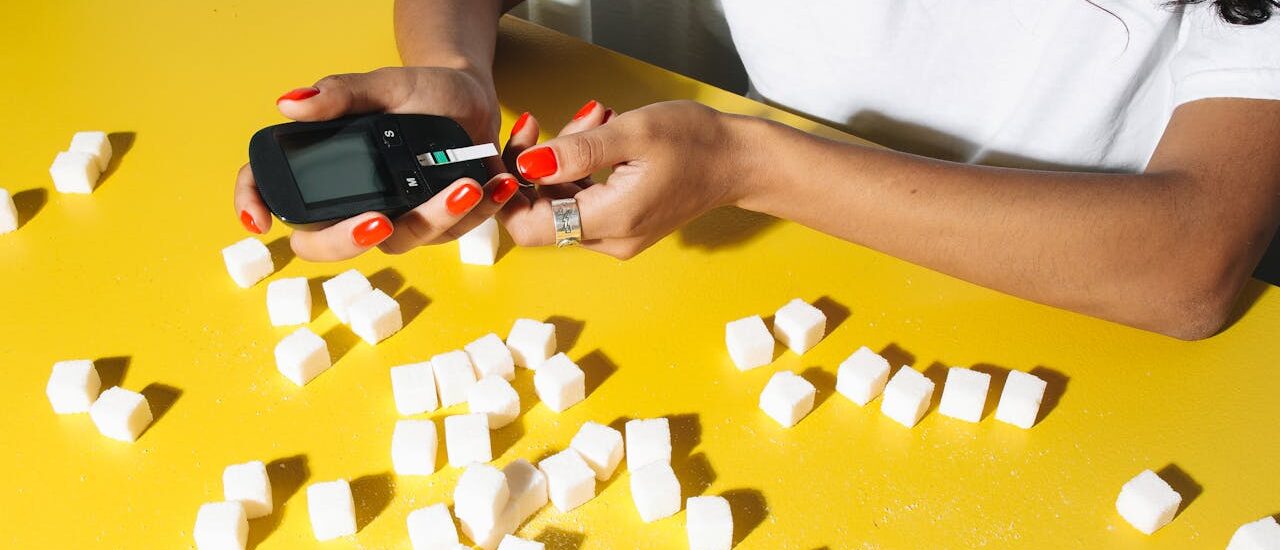
Ever feel like you’re doing the right things — eating reasonably well, staying active — yet your body still struggles to lose fat or keep your energy steady? Chances are, insulin resistance is at play.
It’s not just a medical term — it’s a metabolic roadblock that can make fat loss harder, recovery slower, and energy more unpredictable. The good news? With the right exercise, nutrition, sleep, and stress strategies, you can turn things around and get your metabolism working for you again.
In this post, we’ll break down what insulin resistance is, how it affects your body, and exactly what you can do to improve it — step by step.
This article is the central pillar of our 7-part comprehensive guide to reversing insulin resistance, unlocking fat loss, and restoring your energy.
Whether you want to read the entire series step-by-step or jump straight to the exact topic you need most, use the navigation hub below:
-
Part 1 (The Workout Protocol): 3-Day Compound Lifting Workout Routine for Metabolic Health — A plug-and-play weekly lifting schedule designed to clear blood glucose.
-
Part 2 (Cardio Optimization): HIIT vs LISS for Insulin Resistance: Which Cardio Is Best? — How to layer interval training and low-stress cardio without spiking stress hormones.
-
Part 3 (The Science): Strength Training for Insulin Sensitivity:GLUT-4 Explained — Discover how muscle contractions pull sugar out of your blood without needing insulin.
-
Part 4 (Weekly Meal Planning): Carb Cycling for Insulin Resistance: A Beginner’s Guide — How to match your carbohydrate intake to your physical activity.
-
Part 5 (Workout Fueling): Pre and Post Workout Nutrition for Insulin Resistance — What (and when) to eat around your training sessions to maximize the “glucose sponge” window.
-
Part 6 (Symptom Spotting): 7 Hidden Warning Signs You Have Insulin Resistance — How to identify subtle metabolic red flags like post-meal slumps, skin tags, and stubborn belly fat.
-
Part 7 (The Action Plan): How to Lose Weight with Insulin Resistance: 3 Step Reset — A complete 3-step blueprint to lower baseline insulin and switch your body back to fat-burning mode.
If you want a quick visual explanation of insulin resistance before we dive deeper, check out this short video:
Source: Cleveland Clinic – What Is Insulin Resistance?
Watch on Youtube
What Exactly Is Insulin Resistance?
Alright, let’s break this down. Think of insulin as your body’s master key — it unlocks your cells so glucose (sugar) can enter and fuel your body.
But when you become insulin resistant, it’s like someone changed the locks. Your cells stop responding properly to insulin’s signal, and glucose starts piling up in your bloodstream. In fact, studies show that nearly 40% of U.S. adults aged 18-44 exhibit elevated insulin resistance markers — a sign of how widespread this issue has become.
Your pancreas tries to fix the problem by producing more insulin — basically knocking louder, hoping the cells will open up. But this only makes things worse. More insulin means more fat storage, more hunger, and over time, even less sensitivity to insulin’s signal.
The result? Your body becomes incredibly efficient at storing fat — and frustratingly bad at burning it for energy.
So how does insulin resistance actually affect your body and your ability to lose fat?
How Insulin Resistance Impacts Your Fitness Goals
Now, here’s where things get really interesting for anyone serious about body composition and performance. Insulin resistance doesn’t just mess with your waistline — it affects every part of your fitness journey.
Fat loss stalls. When insulin levels stay elevated, your body is stuck in “storage mode”, making it nearly impossible to access stored fat for energy. So even if you’re technically eating in a calorie deficit, your hormones are working against your fat-burning goals.
Muscle growth slows down. Insulin resistance interferes with protein synthesis and nutrient delivery to your muscle cells. In simple terms, you’re training hard — but your muscles aren’t absorbing the fuel and amino acids they need efficiently.
Energy levels crash. When cells can’t effectively use glucose for fuel, you feel those brutal dips in energy, brain fog, and sluggish workouts. That mid-afternoon crash isn’t just about needing another coffee — it’s your metabolism asking for help.
Recovery takes longer. Poor insulin sensitivity also limits your body’s ability to restore glycogen and repair muscle tissue after exercise. The result? You don’t bounce back as quickly, and progress feels slower.
Warning Signs You Might Have Insulin Resistance
Here’s the tricky part — insulin resistance develops slowly, often flying under the radar for years. Many people don’t realize anything is wrong until symptoms start piling up.
Let’s go over the biggest red flags:
1. The energy roller coaster. You feel great right after eating but crash hard a few hours later. That post-meal slump is a sign your blood sugar — and insulin — are spiking, then plummeting.
2. Stubborn belly fat. If you’re trimming down everywhere except your midsection, insulin resistance might be to blame. Elevated insulin encourages fat storage, especially around the abdomen.
3. Constant hunger and carb cravings. Feeling hungry soon after eating or craving sweets all day? That’s your cells asking for energy they can’t efficiently use.
4. Slow workout recovery. Struggling to bounce back between sessions or feeling sore longer than usual may reflect impaired nutrient uptake and glycogen replenishment.
5. Sleep disruption. Waking up multiple times at night or feeling drained even after sleeping can be linked to unstable blood sugar and hormone swings.
6. Skin changes. Dark patches on the neck, armpits, or groin — called acanthosis nigricans — are a common visible sign of insulin resistance.
7. Mood and focus issues. Irritability, anxiety, or difficulty concentrating — especially between meals — often appear as blood sugar dips.
If several of these sound familiar, don’t panic — the good news is that insulin sensitivity can be improved naturally. Up next, let’s talk about how exercise can actually reverse this process.
Keep in mind that everyone’s body is different — not all of these signs will show up in the same way for everyone.
The Exercise Prescription that Actually Works
Now let’s get to the good stuff — what you can actually do about it in your daily routine. The great news is that insulin resistance isn’t a life sentence; the right kind of exercise can make a huge difference.
The truth is, not all workouts are created equal when it comes to improving insulin sensitivity. Some forms of training trigger powerful changes in your muscles and metabolism that help your body respond better to insulin.
And the science is clear: both aerobic exercise and resistance training play key roles in reversing insulin resistance.
Resistance Training: Your Secret Weapon
First up, weight training is arguably the most powerful tool you have for combating insulin resistance. When you lift weights, you create tiny, controlled tears in your muscle fibers. As those fibers repair and grow, your muscles don’t just get bigger — they also become more sensitive to insulin and much better at absorbing glucose from your bloodstream.
In fact, strength-training studies in people with type 2 diabetes have shown a boost in GLUT-4 protein — that’s one of the key molecules muscles use to pull glucose out of the blood.
Another 12-week resistance training trial in overweight young men found that, after lifting weights, not only did their insulin sensitivity improve, but their muscles also had higher levels of proteins like GLUT-4 and AKT2, which are directly involved in insulin signaling.
So, what’s the ideal approach? Aim to train each major muscle group 2–3 times per week, prioritizing compound lifts like squats, deadlifts, rows, and presses — movements that recruit multiple large muscle groups at once. Stick with moderate to heavy weights (around 6–12 reps per set).
And whatever you do, don’t skip leg day — your quads and glutes are your body’s largest “glucose disposal units,” soaking up sugar from your blood and turning it into muscle fuel instead of stored fat.
Translation? More muscle = better blood sugar control.
High-Intensity Interval Training (HIIT)
Another powerful tool is HIIT — and the good news is that it doesn’t require hours in the gym. It is one of the fastest ways to improve insulin sensitivity and metabolic health. This type of training creates a massive demand for glucose, forcing your muscles to become far more efficient at pulling sugar out of your bloodstream and using it for fuel.
What’s even better? The benefits don’t stop when you do. Studies show that HIIT continues to improve glucose uptake and insulin sensitivity for hours – even up to 24 – 48 hours – after your session ends.
In fact, a 2023 meta-analysis reported that HIIT showed a modest but meaningful improvement over traditional cardio when it comes to improving insulin sensitivity in overweight/obese adults.
Here’s how to make it work for you: aim for 1–3 sessions per week depending on your fitness level. Each session should include work intervals lasting 30 seconds to 4 minutes at around 85–95% of your max effort, followed by rest periods equal to or slightly longer than your work intervals. Keep the total workout between 15–30 minutes — that’s all it takes to get powerful metabolic results.
In other words, HIIT doesn’t just burn calories — it reprograms how your muscles handle glucose, helping you manage insulin levels long after your workout is over.
While HIIT offers a big metabolic punch in short bursts, lower-intensity steady-state cardio complements it by enhancing fat oxidation and blood flow.
Low-Intensity Steady State (LISS)
Now, while LISS cardio might not be as flashy as HIIT, it improves insulin sensitivity through a completely different route. Instead of spiking your glucose demand, low-intensity steady-state exercise enhances your body’s ability to burn fat for fuel and boost blood flow to your muscles — both of which play a big role in managing insulin resistance.
Recent research backs this up: even moderate, consistent aerobic activity — like brisk walking or cycling — significantly improves glucose uptake and fat oxidation, particularly when performed regularly over several weeks.
Another 2023 study found that low-to-moderate intensity exercise performed five times a week improved whole-body insulin sensitivity and enhanced mitochondrial efficiency in muscle tissue.
The protocol here is straightforward: aim for 3–5 sessions per week, lasting 30–60 minutes each, at about 60–70% of your max heart rate. Think walking, cycling, swimming — basically any activity you can sustain while still holding a conversation.
The bottom line? LISS might not leave you gasping for air, but it steadily trains your metabolism to become more efficient at using fat and maintaining stable blood sugar levels.
Nutrition Strategies to Beat Insulin Resistance
We have seen that exercise is absolutely crucial, but nutrition is honestly where you can make the biggest impact on insulin sensitivity. Here’s your action plan:
Timing Is Everything
Let’s start with pre-workout nutrition. If you’re dealing with insulin resistance, training in a fasted state may help improve fat use and insulin sensitivity for some people. It forces your body to tap into fat stores and has been shown to improve insulin sensitivity for hours afterward.
On the flip side, your post-workout window is when your muscles are most hungry for glucose. If you’re going to eat carbs at any point during the day, this is the time. Your muscles will literally soak them up like a sponge, helping your insulin sensitivity to stay elevated for the next 24 hours or more.
Carb Cycling for the Win
Instead of cutting carbs out completely (not exactly sustainable, right?), let’s be strategic about when you eat them. Try carb cycling: plan your high-carb days around your most intense training sessions, moderate-carb days for lighter workouts, and low-carb days on rest days.
This approach helps keep your metabolism flexible, may support better blood sugar control, and can help prevent those constant insulin spikes that make insulin resistance worse. Think of it as giving your body the carbs it needs when it actually needs them — without overdoing it.

The Power Foods
Now let’s dive into foods that can actually help your body handle insulin better:
Cinnamon – packed with compounds that mimic insulin’s effects, helping your cells absorb glucose more efficiently.
Apple cider vinegar – taking a small amount before meals may reduce post-meal blood sugar spikes by up to 30%. That’s a huge win for keeping insulin levels in check.
Omega-3 rich fish – salmon, sardines, and mackerel fight inflammation, which plays a big role in insulin resistance.
Chromium-rich foods – broccoli, eggs, and nuts support glucose metabolism and help your body process carbs more smoothly.
Magnesium sources – dark leafy greens, nuts, and seeds are essential for proper insulin function and overall metabolic health.
Think of these as your everyday power foods — small tweaks on your plate that can make a big difference for insulin sensitivity.
Beyond Diet & Exercise: Surprising Factors in Insulin Resistance
However, there’s more to this puzzle than just diet and exercise. Let’s talk about the other factors that can make or break your progress.
Sleep: Your Metabolic Reset Button
Here’s something that might surprise you — just one night of poor sleep can reduce insulin sensitivity by up to 25%. And chronic sleep deprivation? That’s basically metabolic sabotage for your body.
So, what does sleep optimization actually look like? Aim for 7–9 hours per night, consistently. Keep your room cool and dark (around 65–68°F). Avoid screens for at least an hour before bed. And most importantly, stick to the same bedtime and wake time every single day — your body thrives on routine.
Quality sleep also helps regulate hunger hormones, restore insulin sensitivity, and support recovery from both workouts and daily stress.
Stress Management
Stress isn’t just mentally exhausting — it directly interferes with your body’s ability to use insulin efficiently.
Chronic stress floods your system with cortisol, which directly opposes insulin’s effects. You could have the perfect diet and exercise routine, but if stress is constant, it’s like climbing a hill that keeps getting steeper. In fact, research shows that elevated cortisol levels from chronic stress can weaken insulin signaling and glucose uptake, contributing directly to insulin resistance — even independent of body weight.
So, what actually works to keep stress under control? Some effective strategies include:
Regular meditation or deep breathing exercises
Spending time in nature
Allowing adequate recovery between intense workouts
Maintaining social connections and hobbies outside of fitness.
Managing stress isn’t just about feeling calmer — it’s a critical piece of the puzzle for keeping your insulin and blood sugar under control.
Intermittent Fasting: A Powerful Tool
Giving your insulin a regular break through intermittent fasting can significantly improve insulin sensitivity. A simple way to start is with a 12-hour overnight fast, then gradually work your way up to 14–16 hours if it feels sustainable.
Think of it as giving your body a mini reset: fewer hours with elevated insulin means your cells get a chance to recover and respond more efficiently the next time you eat.
Supplements That Actually Help
While food and lifestyle are your foundation, some supplements have solid research showing they can support insulin sensitivity.
Berberine – often called nature’s metformin, berberine has been shown in studies to improve insulin sensitivity almost as effectively as some prescription medications.
Alpha-lipoic acid (ALA) – helps enhance glucose uptake by your muscles, making it easier for your body to handle sugar.
Vitamin D – deficiency is strongly linked to insulin resistance, so make sure you’re getting enough through sunlight, diet, or supplementation.
Magnesium – many people are deficient, yet it’s crucial for proper glucose metabolism and overall insulin function.
Your 30-Day Action Plan
Ready to take action? Here’s your roadmap:
Week 1-2: Foundation Building
During the first two weeks, focus on laying the groundwork:
Pay attention to how energized or tired you feel at different times of the day, and jot it down — this creates a baseline so you can see how sleep, meals, workouts, and fasting affect your energy over time.
Exercise: Add 2 resistance training sessions and 1 HIIT session to your routine.
Intermittent fasting: Start with a simple 12-hour overnight fast.
Sleep: Aim for at least 7 hours each night.
Think of these first two weeks as building the foundation — tracking your energy, moving your body, and prioritizing sleep and fasting sets the stage for everything that follows.
Week 3-4: Optimization
During weeks 3 and 4, it’s time to level up your routine:
Exercise: Increase to 3 resistance training sessions and 2 HIIT sessions per week.
Intermittent fasting: Extend your overnight fast to 14 hours if the 12-hour window felt comfortable.
Carb timing: Start implementing post-workout carb timing to fuel your muscles when they need it most.
Stress management: Introduce techniques that fit your lifestyle — meditation, deep breathing, time in nature, or hobbies that help you unwind.
Listen to your body: Adjust your workouts and fasting schedule based on how your energy levels and recovery feel, using the baseline you tracked in Weeks 1–2.
These weeks are about optimizing the habits you’ve built. You’re giving your body more structured training, better fuel timing, and tools to manage stress — all of which support insulin sensitivity and energy levels.
Beyond Month 1
Once the first month is behind you, it’s time to build on your foundation:
Supplements: Consider adding them if your diet alone isn’t giving you the results you want.
Track progress: Focus on body composition changes rather than just the scale — it’s a better measure of fat loss and muscle gain.
Monitor energy and performance: Pay attention to your energy levels and workout performance, as these are often the first signs your insulin sensitivity and overall fitness are improving.
The goal now is consistency and refinement. Keep improving your habits, track meaningful changes, and adjust as needed — your body will respond to the foundation you built in the first month.
Key Takeaways on Insulin Resistance
Here’s the truth: insulin resistance isn’t a life sentence — it’s a challenge that responds incredibly well to the right approach. By combining strategic exercise, smart nutrition timing, quality sleep, and effective stress management, you can literally reprogram your metabolism.
And the best part? As your insulin sensitivity improves, everything else gets easier. Fat loss accelerates, energy stabilizes, workouts feel better, and your body starts working with you instead of against you.
Remember, this isn’t about perfection — it’s about consistency and patience. Your metabolism didn’t become resistant overnight, and it won’t fix itself overnight either. But with the right approach and enough time, you can help your body become more efficient at using energy and maintaining a healthy weight.
So, what do you say? Your future self will thank you for starting today.
Next Step: Ready to unlock your body’s natural blood sugar sponge? Read our deep dive on Strength Training for Insulin Sensitivity:GLUT-4 Explained to discover how lifting weights bypasses broken insulin receptors completely.