
Let’s be honest – aging isn’t always kind to our bodies. Maybe you’ve noticed it takes a bit longer to get out of bed, or that reaching for something on a high shelf feels trickier than it used to. The good news? Mobility and flexibility for healthy aging can make a world of difference. When you keep your joints loose and your muscles moving, you’re not just staying fit — you’re keeping your freedom, energy, and confidence for years to come.
So, why exactly are mobility and flexibility such game-changers as we age? Let’s take a closer look at how they support a stronger, more independent you.
Empower Yourself: Embrace Mobility
As we grow older, our bodies face natural changes that can limit mobility. But by taking proactive steps, amazing progress is possible. Explore effective exercises suitable for all levels to improve your flexibility and strength. Remember, it’s never too late to enhance your movement! Begin your journey to better mobility now.
Discover Your Strengths
Our bodies deserve care and movement, regardless of age. Embrace simple exercises that can boost your well-being and independence. Remember, every small step counts, and the time to start is now! Let’s support each other on this path to greater mobility and health.
Why Mobility and Flexibility Are Key to Healthy Aging
As we age, our bodies naturally go through changes that affect how we move. Over time, our muscles tend to lose both mass and strength, a process known as sarcopenia. This makes daily activities feel more demanding than before. Paying attention to mobility and flexibility for healthy aging can help counteract these changes and keep daily movements easier.
Many adults start noticing these changes in their late 30s or 40s, especially if they spend long hours sitting or working at a desk.
In addition, our joints often become stiffer. One reason is that the quality of synovial fluid — the fluid that lubricates and cushions our joints — declines with age. Its viscosity and composition change, which can make movement less smooth. At the same time, cartilage thins and absorbs less shock, which further reduces flexibility.
Our connective tissues — such as tendons, ligaments, and fascia — also undergo changes. With age, collagen fibers can stiffen and cross-link, and substances called advanced glycation end-products (AGEs) build up. Together, these changes make tissues less elastic, though the degree varies from person to person depending on genetics and lifestyle.
These physical changes don’t just alter how we feel; they affect our daily lives in real ways. Reduced mobility can make simple tasks like climbing stairs, getting dressed, or carrying groceries more difficult. Moreover, lower flexibility and strength increase the risk of falls, which can be especially dangerous as we grow older.
Understanding Flexibility and Mobility as You Age
Before we dive deeper, let’s clarify what we mean by “flexibility” and “mobility.” Flexibility describes the passive range of motion in your joints — essentially how far you can stretch a muscle, tendon, or ligament when you apply an external force. According to the International Sports Sciences Association (ISSA), flexibility means exactly “how much your muscles, tendons, and ligaments can lengthen when external force is applied”
Mobility takes things a step further than flexibility. While flexibility is about how far your muscles and connective tissues can stretch, mobility is about how well you can use that range of motion — actively, with strength, control and coordination. According to International Sports Sciences Association (ISSA), mobility is the joint’s ability to move through its full range of motion, not just with a passive stretch but under your own control.
Similarly, Harvard Health Publishing defines mobility as your ability to move purposefully through everyday activities, incorporating strength, coordination, balance and range of motion.
In short: being “bend‑y” is one thing, but having the stability and muscle power to put that bendy‑ness to use in real life — picking things up, standing up, climbing stairs — is what true mobility is all about.
Understanding these differences is key to mobility and flexibility for healthy aging, because both components contribute to safer, easier movement as we grow older.
Think of it this way: you might be able to touch your toes when sitting (flexibility), but can you squat down to pick something up off the floor and stand back up smoothly (mobility)? Both are important, yet experts like Guthrie Health note that mobility tends to be more functional for daily activities.
The Science of Staying Supple and Active as You Age
Maintaining mobility and flexibility plays a key role in improving quality of life as we age. Regular movement practices, such as stretching and strength-based activities, help protect joint health, reduce everyday pain, and support independence for longer.
Flexibility exercises can also boost circulation. With better blood flow, more oxygen and nutrients reach the muscles and joints, which helps them stay healthy and functional as the years go by.
Tips for Improving Mobility and Flexibility
Improving your mobility and flexibility is easier than you think. Here are some simple tips to help you get started:
- Start with a Warm-Up: Begin each session with gentle motions or dynamic stretches to prepare your muscles.
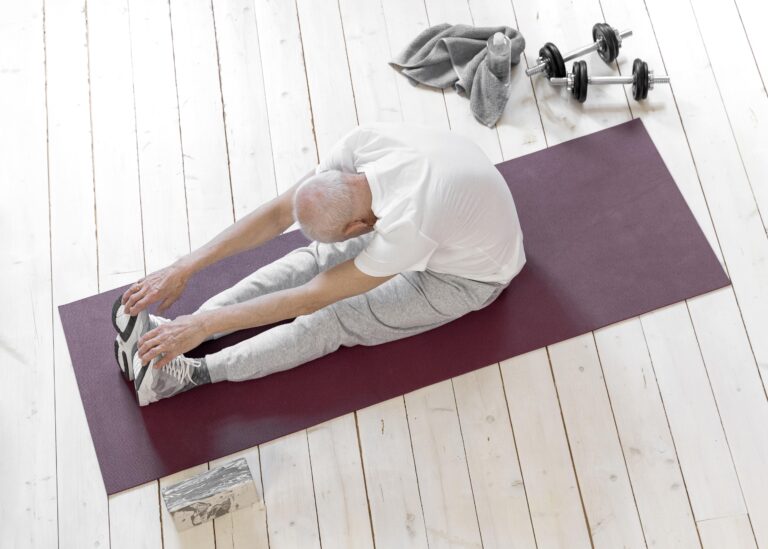
- Daily Stretching: Dedicate 10-15 minutes a day for stretches targeting major muscles. Just simple toe reaches or shoulder rolls can do wonders.
- Combine Strength and Flexibility: Try practices like yoga, pilates, or tai chi. These help build strength while enhancing flexibility, and they’re great for mindfulness too.
- Pay Attention to Your Body: Modify exercises if they feel too tough, and don’t hesitate to rest when needed. Steady, gradual improvements are what matter.
- Keep Consistent: Short, frequent movement sessions can be more beneficial than occasional long workouts. Stick to a routine for best results.
By incorporating these small changes, you can lead a more vibrant and active life as you age. Let’s embrace movement and its benefits together!
Daily Movement Strategies for Mobility and Flexibility for Healthy Aging
Now that we’ve covered why mobility and flexibility matter, let’s look at how to bring them into your daily routine. The encouraging part is that you don’t need hours of complex workouts. Even short, consistent practices can add up over time and make a noticeable difference in how you move and feel.
Morning Movement Rituals
Start your day with gentle movements to wake up your joints and muscles. You can do easy exercises like neck rolls, shoulder shrugs, and ankle circles while still in bed. Once you’re up, add gentle spinal twists and hip circles to loosen up your back and hips before the day begins.
Throughout the Day
Since many of us spend considerable time sitting, it’s crucial to break up these periods with movement. Therefore, set reminders to stand and stretch every 30-60 minutes. Simple desk stretches like reaching overhead, gentle back extensions, and seated spinal twists can counteract the effects of prolonged sitting.
Evening Wind-Down
End your day with relaxing stretches that prepare your body for rest. Gentle hip flexor stretches, light hamstring stretches, and some restorative poses can help release tension accumulated throughout the day. Moreover, this routine can improve sleep quality, which is vital for recovery and overall health.
Integrating Mindfulness with Movement
As you embark on your journey to improved mobility and flexibility, consider incorporating mindfulness into your practice. Mindfulness, or staying present in the moment, can enhance your movement experience and improve your overall well-being. By focusing on your breath and body sensations while exercising, you can foster a deeper connection with your movements. This approach not only makes your exercises more enjoyable, but it also encourages you to listen to your body and respect its limits. Remember, movement isn’t just about physical change; it’s also about nurturing a positive mindset. Embrace each stretch and movement as an opportunity for growth, both in body and mind!

Safe and Effective Exercises for Mobility and Flexibility for Healthy Aging
When beginning any new movement routine, safety should be your top priority. Here are some gentle yet effective exercises that can benefit most people:
- Dynamic Warm-Ups. Start with arm circles, leg swings, and gentle marching in place. These movements increase blood flow and prepare your joints for more targeted stretches.
- Static Stretches. Hold positions for 15-30 seconds, focusing on major muscle groups like your hamstrings, calves, hip flexors, and shoulders. Remember to breathe deeply and never force a stretch.
- Functional Movements. Practice movements you use daily, such as reaching overhead, bending to pick things up, and rotating your spine. This type of practice directly translates to improved daily function.
To help you get started, I’ve selected two excellent follow-along routines from licensed professionals.
The first is “Quick Morning Stretching Routine for Flexibility, Mobility and Stiffness” by Dr. Jared Beckstrand from the Tone and Tighten channel, which is perfect for loosening up your body at the start of the day.
The second is “Mobility Routine for Seniors, Improve Your Flexibility” by Dr. Matt from Village Fitness and Physical Therapy, offering safe and effective exercises designed especially for older adults.
Credit channel : Tone and Tighten
Author : Dr. Jared Beckstrand
Credit channel : Village Fitness and Physical Therapy
Author : Dr. Matt
Title : Mobility Routine for Seniors, Improve Your Flexibility
When to Seek Professional Help for Mobility Issues
Most flexibility and mobility exercises are safe to do on your own, but there are times when getting expert guidance makes all the difference. If you’re dealing with pain, have a past injury, or aren’t sure whether your form is correct, consider working with a physical therapist or a certified fitness professional. They can help you move safely, build confidence, and make steady progress.
Furthermore, if you have chronic conditions like arthritis, osteoporosis, or cardiovascular issues, it’s especially important to get personalized advice. A healthcare provider can help you modify exercises to accommodate your specific needs and limitations.
How to Build Sustainable Habits for Long-Term Flexibility
The key to successful aging through movement lies in consistency rather than intensity. Start small – even five minutes of daily stretching is better than an hour-long session once a week. Additionally, find activities you enjoy, whether that’s yoga, tai chi, swimming, or simply walking in nature.
Remember that progress isn’t always linear. Some days you’ll feel more flexible and mobile than others – and that’s perfectly normal. The important thing is to keep moving and listening to your body’s needs.
Your Step-by-Step Guide to Moving Better Through Life
Aging well isn’t about turning back the clock — it’s about embracing where you are today and taking proactive steps to protect your health, strength, and vitality. By prioritizing mobility and flexibility for healthy aging, you’re investing in your future self — one who moves with ease, enjoys favorite activities, and stays independent for years to come.
Start small, even if it’s just a few gentle stretches or a short walk. Your body will thank you — not just tomorrow, but well into the future. Remember, the best time to care for your mobility was yesterday; the second-best time is right now.
My Personal Journey With Mobility and Flexibility Training
As I hit the milestone of 50, I’ve started paying more attention to things I used to brush off—mobility and flexibility being two of them. I’ve been going to the gym for over 30 years, mostly focused on strength and conditioning. I dabbled in yoga here and there, but honestly, I used to think it was “more for ladies.” So I’d always return to the heavy lifting and intense workouts that felt more in line with my taste.
In my younger years, I practiced martial arts for a decade, so I figured I had flexibility covered. But now, even though I feel great in my body, I’ve started thinking ahead. I don’t want to wake up one day and realize I move like a robot. I don’t have any major issues right now, but I’m starting to see the value in smooth, intentional movement—not just for recovery, but for prevention.
When I was younger, it was all about shape and strength. That was the priority. But now, I believe a truly healthy body is one that can move freely, bend without strain, and adapt with ease. Flexibility and mobility aren’t just add-ons—they’re part of the foundation.
These days, I’m interested in anything that helps me live better and stay independent for as long as possible. That includes diet, sleep, movement, strength—and yes, mobility and flexibility. I’m not trying to become a contortionist, but I do want to keep my body supple enough to enjoy life without limitations.
So if you’re like me—feeling strong but starting to think long-term—consider adding a few mobility and flexibility movements into your routine. It doesn’t have to be complicated. A few minutes here and there can make a big difference. Your future self will thank you.