

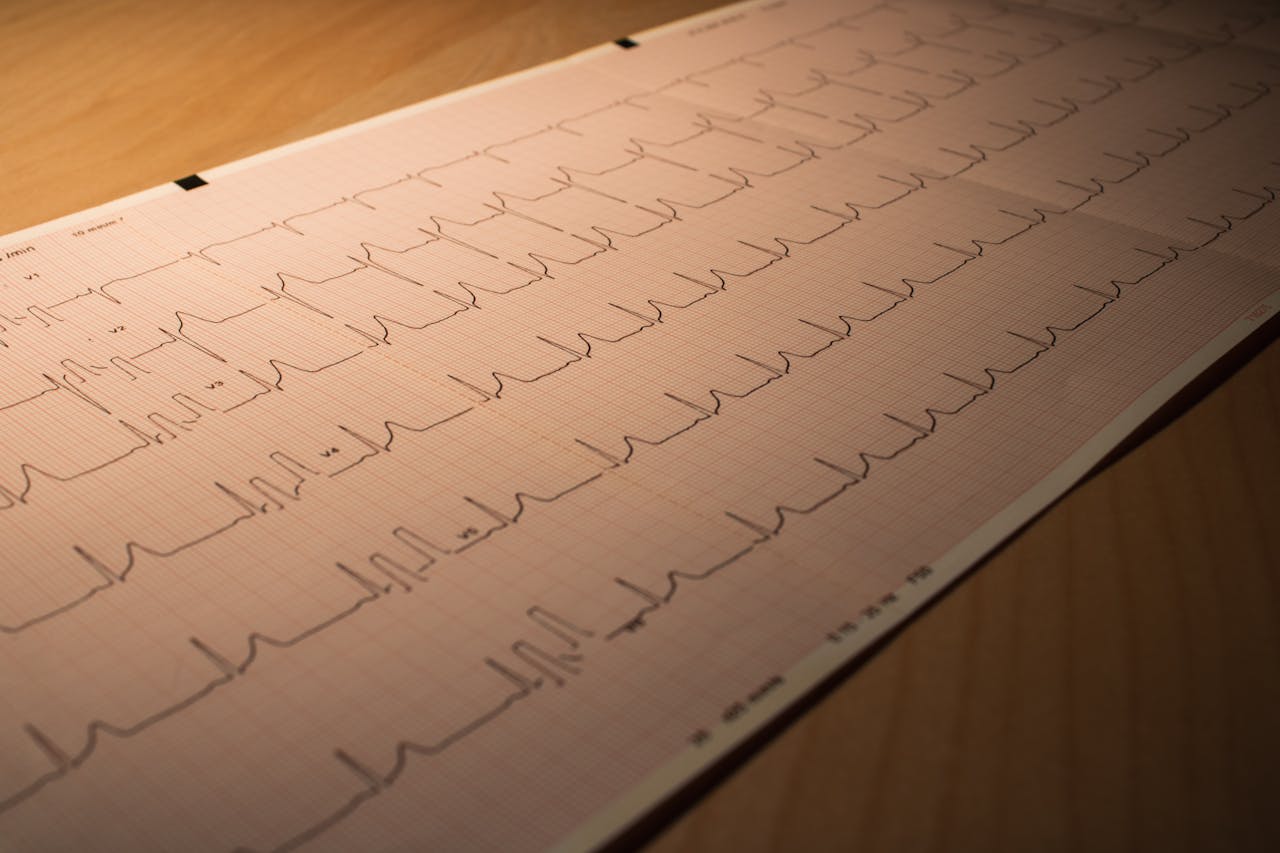
Discover key strategies to protect your heart health, reduce cardiovascular risks, and make lifestyle changes for a stronger, healthier heart.
Understanding Cardiovascular Disease: Essential Facts You Should Know
Heart disease is one of the biggest health challenges worldwide. It affects millions of people every year. More specifically, cardiovascular diseases include a number of health conditions affecting the heart and blood vessels, such as coronary artery disease, heart attacks, and stroke. According to the World Health Organization (WHO), CVD is actually the leading cause of death throughout the world. In fact, around 17.9 million people die from it each year —that is 32% of all deaths globally. These numbers just show how urgent it is to focus on heart health.
Heart diseases, which are a major component of CVD, come in different forms. These include heart failure, arrhythmias and birth malformations. Additionally, stroke happens when blood flow to the brain is interrupted, leading to serious complications. As a result, not only does this affect a person’s quality of life, but it also puts enormous pressure on healthcare systems.
CVD isn’t just about physical health. It can seriously affect mental well-being too. People with CVD may suffer from anxiety and depression, making their health worse. Moreover, the financial burden is also high. Medical costs and lost productivity are a real challenge for healthcare systems worldwide.
Because CVD affects countless individuals, the detection and education is absolutely essential. More importantly, knowing the risk factors—such as poor diet, lack of exercise, smoking and harmful use of alcohol—allow people to take action. By making healthier choices we can all work towards a society that supports better heart health.

Most Common Cardiovascular Diseases
Cardiovascular diseases (CVD) include a range of conditions that affect the heart and blood vessels. Because these diseases can impact overall health, understanding their different types is key to both prevention and management. For instance, some of the most common forms include coronary artery disease, arrhythmias, heart failure, and valvular heart disease. Not only do these conditions vary in severity, but they also require different approaches for treatment. That is why being aware of the risks and symptoms can make a big difference in protecting heart health.
Coronary Artery Disease (CAD), A Leading Cause of Heart Issues
Coronary artery disease (CAD) is the most common type of heart disease in the United States, and unfortunately, it can be serious. CAD happens when the arteries that carry blood to the heart get clogged with plaque—a mix of fat, cholesterol and other substances. As a result, the blood flow is restricted, which can lead to chest pain, shortness of breath and, in more severe cases, heart attack. That’s why recognizing the signs and understanding the risks is so important for maintaining heart health.
Arrhythmias: Irregular Heartbeats and Their Risks
Heart rhythm disorders happen when the heart’s electrical signals when electrical signals in the heart are disrupted or abnormal, causing irregular beats. As a result, people may experience palpitations, dizziness, or even fainting. In more severe cases, some rhythm disorders can lead to stroke or sudden cardiac arrest, which is why early detection and management are so important for heart health.
Heart Failure: When The Heart Struggles To Pump Blood
Heart failure is when the heart cannot pump enough blood to meet the body’s needs. It means that the heart has trouble pumping blood efficiently. This can lead to shortness of breath, and fluid retention. In many cases, the underlying cause include hypertension, coronary artery disease (CAD, or past heart attacks. The symptoms may develop gradually.
Valvular Heart Disease: Issues with heart Valves
Lastly, valvular heart disease happens when one or more of the heart’s valves are damaged, which means blood flow within the heart doesn’t function as it should. Over time, the valves may become narrowed or regurgitant, making the heart work harder than it should. As a result people may experience fatigue, a heart murmur, or even some shortness of breath during activity. Often, the symptoms develop gradually.
The Importance of Early Detection and Prevention
Ultimately, understanding common heart conditions helps with early symptom detection, which makes a big difference in managing heart health. When recognizing warning signs early, individuals can seek medical help before complication arise. That’s why timely intervention is key—not only for treatment but also for prevention.
Health Matters
Why Regular Check-Ups are Essential for You
Heart Disease Risk Factors: What Increases Your Cardiovascular Risk?
Cardiovascular disease (CVD) remains a major global health challenge, influenced by a combination of controllable and uncontrollable risk factors. While some aspects like age and genetics, cannot be changed, many others—such as diet, exercise, smoking, alcohol use, stress, sleep —can be managed to improve heart health.
The unchangeable risk factors
Some risk factors are inherent and cannot be modified, they include:
- Age: Risk increases as we grow older
- Family history: Genetic predisposition plays a role
- Gender: Risks may vary between men and women
- Ethnicity: Certain groups face higher susceptibility
Lifestyle-related risks factors
Many risk factors are directly influenced by daily habits and can be controlled
Hypertension and High Cholesterol
High blood pressure or hypertension, is one of the biggest risk factors you can actually control. Over time, it can weaken the arteries and lead to CAD, heart failure, etc. Similarly, high cholesterol plays a major role by causing plaque buildup, which narrows the arteries and increases the chances of heart attack and strokes. That is why regular screenings and smart diet choices like reducing saturated fat, and increasing fiber are so important. They help keep cholesterol levels in check and reduce long-term risks.
Obesity and Its Impact on Cardiovascular disease
Obesity is another important risk factor for cardiovascular diseases, and unfortunately it can set off a dangerous cycle. For instance, excess body weight tends to raise blood pressure, increase cholesterol levels, and elevate the risk of diabetes—all of which strain the heart. Not only overall body weight but also where fat is stored matters: visceral or abdominal obesity is especially harmful, as it strongly increases cardiovascular risk. The good news is, these risks can be managed. By maintaining a healthy diet and staying active, people can lower these risks—even modest weight loss can bring meaningful improvements in heart health. While genetics and environmental factors play a role, obesity remains a modifiable condition, meaning lifestyle changes can make a real difference in reducing heart-related issues and supporting overall well-being
Smoking and Diabetes: Dangerous Contributors to Heart Disease
Smoking causes serious damage to blood vessels. It not only lowers levels of good cholesterol (HDL) but also impairs its function, while raising blood pressure in the short term and contributing to long-term vascular damage. The good news is, quitting smoking can make a huge difference: it improves heart function and lowers the risk of cardiovascular disease. Moreover, diabetes is strongly linked to heart conditions. Over time, high blood sugar damages blood vessels, and when combined with high blood pressure, it greatly increases the chance of heart disease. That’s why controlling blood sugar levels through diet, exercise, and proper medical care is essential—though even with good control, some added cardiovascular risk remains.
Heart Health Focus
Transform Your Lifestyle for a Healthier Heart
Incorporating heart-healthy habits into your daily routine is essential for preventing cardiovascular disease. Here are some vital strategies to consider:
- Stay Active: Aim for at least 150 minutes of moderate exercise each week to strengthen your heart.
- Balanced Diet: A diet rich in fruits, vegetables, whole grains, and lean proteins supports heart health.
- Prioritize Sleep: Quality sleep is key. Strive for 7-9 hours each night.
The Role of Physical Activity in Heart Health
A sedentary lifestyle can greatly increase the risk of cardiovascular disease. When people spend long hours sitting and skip regular activity, it often leads to weight gain, higher blood pressure, and unhealthy cholesterol levels.
Together, these changes put extra strain on the heart. According to the American Heart Association, prolonged sedentary behavior is associated with an increased risk of cardiovascular disease, even among people who exercise regularly.
The good news is that moving more—even light activity or simply breaking up long periods of sitting—can make a difference. Regular physical activity helps control blood pressure, supports healthy cholesterol, and boosts overall well-being. By making these lifestyle changes, people can not only lower their risk of heart disease but also improve their quality of life and live longer, healthier years.
Lesser-Known Risk Factors
There are additional factors that can unexpectedly impact cardiovascular health:
Sleep Apnea – When breathing repeatedly stops during sleep, it lowers oxygen levels and puts extra strain on the heart. Untreated, it raises the risk of heart attack and stroke.
Gum Disease – Ongoing inflammation and bacteria from the mouth may contribute to heart problems. While lifestyle factors also play a role, research shows a clear link between oral health and cardiovascular risk.
Loneliness & Social Isolation – Emotional well-being matters. Studies show that feeling lonely or lacking social support can increase the risk of heart disease and stroke.
Air Pollution – Long-term exposure to polluted air can damage blood vessels, raise blood pressure, and make existing heart conditions worse.

Cardiovascular Disease Prevention: Protecting Your Heart for Life
Preventing cardiovascular disease is more important than ever. As one of the leading causes of illness and death worldwide—with nearly 20 million lives lost to CVDs annually World Health Organization—taking proactive steps makes a huge difference. By spotting risk factors early, such as high blood pressure or elevated cholesterol, we can manage them more easily and reduce long-term harm. Doing so doesn’t just lower heart disease cases; it also improves overall public health and quality of life.
Identifying Key Risk Factors
Detecting risk factors such as high blood pressure, elevated cholesterol, obesity, smoking, and diabetes is key to maintaining good health. That’s why regular check-ups are so important: they allow these issues to be found early, giving patients the opportunity to make informed choices about their health. Furthermore, even small changes made sooner rather than later can make a big difference in preventing serious complications.
The Power of Lifestyle Changes
Making lifestyle changes is one of the most powerful ways to prevent cardiovascular disease. Healthy habits—especially around diet and exercise—play a major role. Choosing nutritious foods like fruits, vegetables, whole grains, and lean proteins not only supports your heart but also helps manage weight. At the same time, regular exercise strengthens the heart, lowers blood pressure, and improves cholesterol levels. The key is consistency: by building stable routines, you can protect your heart in the long run and feel your best every day.
The Role of Public Health Initiatives
Public health initiatives are just as important as personal responsibility when it comes to preventing heart disease. These programs raise awareness about cardiovascular health, promote regular check-ups, and highlight the dangers of a sedentary lifestyle—motivating people to take action.
By combining public education with individual lifestyle changes, we can build a stronger prevention plan. This proactive approach not only reduces the burden of CVD but also improves overall health for communities worldwide.
Start Your Heart Health Transformation

Heart-Healthy Lifestyle Changes: Simple Habits for Better Cardiovascular Health
Adopt a heart-healthy diet: Fill your plate with fruits, vegetables, whole grains, and lean proteins. Limit processed foods high in saturated fat, sugar, and salt, as they raise blood pressure and cholesterol over time.
Maintain a healthy weight: Combine balanced nutrition with at least 150 minutes of movement per week—walking, swimming, or cycling all count. Adding strength training boosts fitness and keeps your body strong.
Quit smoking: Tobacco damages blood vessels and raises CVD risk. Quitting greatly improves heart health, and support groups or nicotine alternatives can help.
Reduce alcohol intake: Drinking less helps maintain healthy blood pressure and lowers future complications.
By eating well, staying active, quitting smoking, and limiting alcohol, you give your heart the best chance to stay strong—while improving your overall health and well-being.
Registered Dietitian Daphna Steinberg from Sunnybrook Health Sciences Centre shares simple, proven lifestyle strategies to prevent cardiovascular disease and support long-term heart health.
Video interview with Registered Dietitian Daphna Steinberg from Sunnybrook Health Sciences Centre sharing five evidence-based tips to prevent cardiovascular disease through healthy eating, exercise, weight management, and stress reduction.
Cardio Exercise Benefits: How Physical Activity Strengthens Your Heart
Staying active is one of the best things you can do to keep your heart healthy and strong. Not only does regular exercise strengthen the heart but it also improves circulation making it easier for oxygen and nutrients to reach every part of your body. Additionally, physical activity helps manage key risks factor such as obesity, high blood pressure and cholesterols.
Recommended Exercises
The American Heart Association recommends:
- 150 minutes of moderate-intensity aerobic exercise OR 75 minutes of vigorous-intensity exercise per week.
- Strength training twice weekly to build muscle, boost metabolism, and support weight management.
Effective Exercise Types for Heart Health
- Aerobic Exercise: Activities like brisk walking, swimming, cycling, and dancing improve heart function and circulation.
- Strength Training: Resistance bands and body-weight exercises enhance heart health and muscle strength.
- Walking: A simple, accessible way to lower blood pressure and improve cholesterol levels.
- Water Workouts: Swimming and water aerobics provide joint-friendly resistance training.
- Mind-Body Exercise: Yoga and tai chi reduce stress hormones, lower blood pressure, and improve sleep quality.
- Steady Cardio vs. HIIT: While steady cardio benefits beginners, High-Intensity Interval Training (HIIT) can be a time-efficient option for some.
Beyond Physical Benefits
Exercise isn’t just great for health, it’s also a powerful way to improve your mental well-being. Physical activity releases endorphins, which helps reduce stress, anxiety and depression. Over time, it creates a positive cycle of improved overall health, both physically and mentally.
By making regular exercise a priority, individuals can support heart function, manage health risks, and enhance their quality of life.
Heart-Healthy Diet: Foods That Prevent Cardiovascular Disease
Mediterranean Magic
The Mediterranean diet has been widely studied for its cardiovascular benefits. According to the Harvard T.H. Chan School of Public Health, this dietary pattern is associated with a lower risk of heart disease and improved overall health.
The Mediterranean way of eating is all about simplicity, flavor and nourishment. It is a time-tested approach that not only satisfies your tastes buds but also support heart health. First and foremost. olive oil takes center stage. Packed with healthy fats, it is a key ingredient that helps keep your heart in good shape. Then, there are a lot of fruits and vegetables. They bring a burst of color, fresh flavors, and a generous dose of vitamins and antioxydants. Next up, fish and seafood add high-quality protein and essential omega-3s, both of which are fantastic for brain function and heart health.
Nuts and seed contribute fiber and good fats, making them the perfect snack or addition to meals. Whole grains like quinoa and barley help keep you energized while also supporting digestion. Some studies suggest that moderate wine consumption may provide heart-healthy polyphenols, though alcohol is not necessary to gain the benefits of a Mediterranean-style diet.
Heart Boosting Foods
Boost your health with these nutrient-packed foods!
- Fatty fish like salmon and mackerel provide heart-friendly omega-3s
- Berries for a powerful punch of antioxidants
- Nuts and seeds offer fiber and healthy fats
- Leafy greens keep your body fueled with essential vitamins
- Whole grains support digestion and energy
- Avocados nourish you with good fats
- Dark chocolate provides antioxidants
Food to Limit
These can harm your heart over time:
- Processed meats often contain high levels of sodium and preservatives that can strain heart health
- Added sugars sneak into many foods, increasing the risk of inflammation and weight gain
- Trans fats, found in some packaged and fried foods, can raise bad cholesterol while lowering the good kind
- Excessive salt may contribute to high blood pressure
- Refine carbohydrates can lead to blood sugar spikes
Stress and Heart Health: Effective Ways to Reduce Cardiovascular Risk
Stress may feel like an unavoidable part of life, but managing it well is crucial for your heart health. Chronic stress can negatively affect your physical health, raising blood pressure and heart rate due to prolonged hormone activity. In addition, unhealthy coping mechanisms, such as overeating and inactivity, can further increase the risk of heart disease.
The good news is, meditation can be a powerful tool for regulating emotions. Even just a few minutes a day can reduce stress and anxiety while aiding in relaxation and mental clarity. All of these support cardiovascular health!
Beyond that, adopting healthy coping strategies can make a significant difference. Exercise, social interaction, an engaging hobbies not only help ease stress but also enhance overall well-being. Nutrition also plays a key role ; a balanced diet filled with fruits, vegetables and whole grains can nourish both the mind and the body.
Since stress, mental health, and heart health are closely linked, effective stress management techniques will lower the risk of heart disease while also setting you up for long-term wellness.
Cardiovascular Screenings: When and Why You Need Regular Heart Check-ups
Regular medical examinations are essential to maintain heart health, as they help monitor key factors and catch potential issues early—before they become serious problems. During these visits, screenings assess important metrics like blood pressure, cholesterol levels and body mass index (BMI). All of which provide valuable insights into cardiovascular risks. By staying proactive, you can support long-term wellness and take charge of your heart health.
One major concern is high blood pressure, or hypertension which is a significant risk factor for heart disease and stroke. Fortunately, routine examinations allow early detection and management, helping to keep it under control. Equally important is controlling the cholesterol levels. Excess low density lipoprotein (LDL), often referred to as “bad” cholesterol, can clog arteries and lead to heart attacks. By being vigilant on both blood pressure and cholesterol, you can make meaningful steps toward maintaining a strong, healthy heart.
Beyond blood pressure and cholesterol tests, regular health screenings take a closer look at other essential factors, including blood sugar levels, diet, exercise habits and smoking. By evaluating these areas, doctors can develop personalized preventions strategies tailored to individual needs. Additionally these examinations open the door to important conversations about diet and exercise— two key elements in reducing the risk of CVD disease.
The real advantage of early detection through early check-ups is its ability to identify risk factors before they escalate into serious issues. With the right approach, lifestyle changes or medical care can help prevent heart problems before they begin. That is why prioritizing routine health examinations is more than just a precaution—it is a smart, proactive step toward long-term cardiovascular wellness. After all, taking care of your health today will lead to a stronger, healthier future.
My Personal Experience: Why Heart Health Prevention Matters
After a routine medical check-up, I discovered I had cardiac arrhythmia—an irregular heartbeat.
The day it all began, I went to the hospital for what I thought was just an insect bite on my left foot. It was unusually swollen, and I simply wanted to be cautious. One thing led to another: the doctors decided to check my kidneys, then my heart, and that’s when the arrhythmia was found.
I was honestly shocked. I felt perfectly fine—no shortness of breath, no fatigue, nothing unusual. I believed I was in great shape… at least on the surface. Thankfully, I followed my doctors’ advice and treatment carefully, and everything eventually returned to normal.
Looking back, I realize how fortunate I was. If it hadn’t been for that “lucky” insect bite, I might never have known anything was wrong until it was too late. This experience taught me one crucial lesson: prevention saves lives.
Cardiovascular disease often develops silently, without obvious warning signs. Regular check-ups and early detection can make all the difference.
Protecting Your Heart Starts Today
Cardiovascular disease remains one of the greatest health challenges worldwide, but the good news is that many risk factors are preventable.
By adopting healthy habits — such as regular exercise, balanced nutrition, stress management, and routine medical check-ups — you can significantly reduce your risk.
My personal experience reminded me how silent heart conditions can be. Prevention, awareness, and early detection truly save lives.
Taking care of your heart today is one of the most powerful investments you can make for your future health and well-being.