

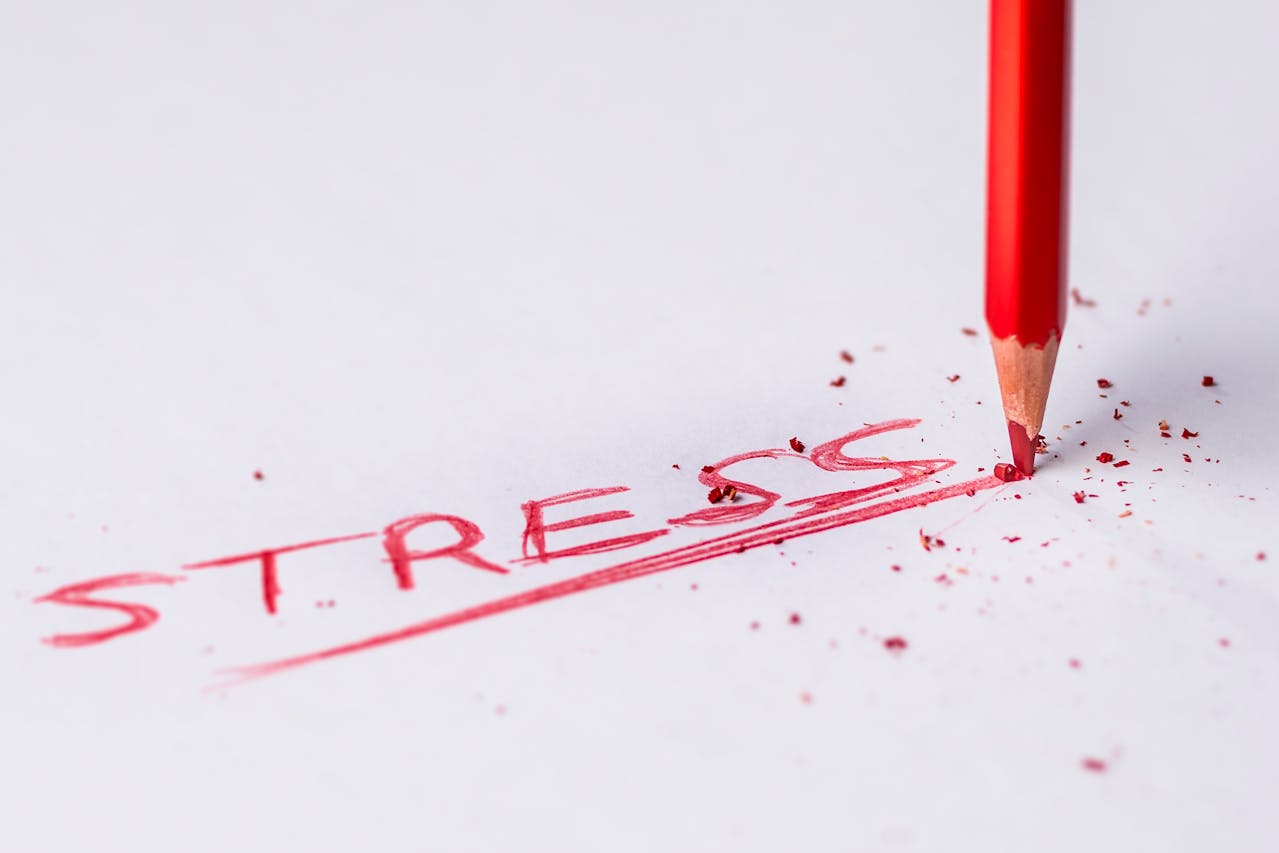
What if you could shift the way you experience stress instead of letting it overwhelm you?
This guide offers practical strategies that truly work in everyday life, helping you build resilience while also providing quick relief techniques when you need them most.
It’s all about empowering you to take control and transform your relationship with stress for the long run.
Key Takeaways: Managing Stress Effectively
-
Stress relief doesn’t require hours of free time — even 2–5 minutes can reset your nervous system.
-
Techniques like deep breathing, grounding, and muscle relaxation provide immediate relief.
-
Mindfulness practices help reduce long-term stress and improve emotional resilience.
-
Healthy lifestyle habits like sleep, nutrition, and regular movement play a critical role in stress management.
-
Building a personal stress management routine makes it easier to stay consistent.
Understanding Your Body’s Stress Response: Causes, Symptoms, and Effects
Before diving into solutions, it’s crucial to understand what happens in your body when stress strikes.
When you encounter a stressor, your brain’s amygdala triggers the fight-or-flight response, releasing stress hormones like cortisol and adrenaline. This response served our ancestors well when facing physical dangers, but in today’s world, it often activates over non-life-threatening situations like traffic jams or work emails.
Furthermore, chronic activation of this stress response can lead to serious health consequences, including weakened immunity, digestive issues, cardiovascular problems, and mental health challenges.
Consequently, learning to manage your stress response isn’t just about feeling better in the moment—it’s about protecting your long-term health and well-being.

Immediate Stress Relief Techniques: Fast Ways to Calm Your Mind and Body
Quick Breathing Methods for Instant Stress Reduction
When stress hits suddenly, your breath becomes your most powerful tool for instant relief. These techniques work by activating your parasympathetic nervous system, signaling your body to shift from fight-or-flight mode to rest-and-digest mode.
The 4-7-8 Technique
This method acts like a natural tranquilizer for your nervous system.
First, exhale completely through your mouth. Then, inhale through your nose for 4 counts, hold for 7 counts, and exhale through your mouth for 8 counts.
Repeat this cycle 3–4 times. The extended exhale is particularly important because it activates your vagus nerve, which helps regulate your stress response.
I’ve actually talked more about this calming 4-7-8 breathing technique in another post — you can check it out here:“Stress Relief Techniques for Busy People” It’s a simple habit that can make a real difference when stress hits.
Box Breathing
Another great option for instant stress relief is box breathing.
This breathing exercise helps calm your mind and body by creating a steady rhythm between inhaling, holding, and exhaling.
Inhale for 4 seconds, hold for 4 seconds, exhale for 4 seconds, and hold again for 4 seconds — that’s one cycle.
It’s easy to follow and surprisingly effective for reducing anxiety or preparing for sleep. You can watch this quick 1-minute video to practice along:
Source: Youtube – “Box Breathing Technique and Exercise”
Author: Sandstone Care
Belly Breathing
Belly breathing (also called diaphragmatic breathing) is an additional powerful technique when it comes to relieve stress. Unlike shallow chest breathing, which can make anxiety worse, this technique helps you take full, calming breaths.
Place one hand on your chest and another on your belly. As you breathe, focus on making the hand on your belly rise more than the one on your chest. This deeper breathing pattern naturally calms your nervous system.
If you’d like a simple demonstration, this short video walks you through how to practice it step by step:
Source: Youtube – “How to do belly (diaphragmatic) breathing
Author: Massachusetts General Hospital
Physical Release Techniques to Relieve Stress Quickly
Since stress manifests physically in your body, incorporating movement and physical release can provide immediate relief.
Progressive Muscle Relaxation Express
Whenever stress hits you don’t need any fancy set up. This shortened version of traditional progressive muscle relaxation can be done anywhere.
Starting with your feet, tense each muscle group for 5 seconds, then release completely. Work your way up through your calves, thighs, abdomen, hands, arms, shoulders, and face.
As you release each area, notice the contrast between tension and relaxation.
Tension Release Points
Similarly, you can target specific areas where stress commonly accumulates.
Roll your shoulders backward five times, then forward five times. Next, gently massage your temples in small circles. Finally, stretch your neck by slowly tilting your head to each side. These simple movements can provide surprisingly effective relief.
The Shake-Off Method
Furthermore, this technique mimics what animals do naturally after escaping danger.
Stand with your feet hip-width apart and literally shake your entire body for 30-60 seconds. Start with your hands, then your arms, and let the movement spread throughout your body. It is a quick, natural reset that helps discharge all the excess energy that stress creates.
Grounding Techniques for Anxiety and Stress Relief
When stress makes you feel overwhelmed or disconnected, grounding techniques anchor you in the present moment.
The 5-4-3-2-1 Method
This simple mindfulness technique acts like a mental reset.
Indeed, it pulls you out of stress spirals by engaging your senses and takes you back into reality.
In your surroundings, identify 5 things you can see, 4 things you can touch, 3 things you can hear, 2 things you can smell, and 1 thing you can taste.
This exercise interrupts anxious thinking patterns and brings you back to the here and now. It’s simple, effective, and surprisingly grounding.
I’ve talked a bit more about this grounding practice in “Stress Relief Techniques for Busy People” — if you’d like to explore how to make this habit part of your calm routine, just click on the link.
Physical Grounding
Alternatively, try physical grounding by focusing on your connection to the earth.
Feel your feet on the ground, press your hands against a solid surface, or hold a textured object.
These physical sensations help calm an overactive mind by redirecting attention to your body.

Mindfulness-Based Stress Management for Lasting Results
How Mindfulness Helps with Stress Relief: Key Concepts Explained
Mindfulness isn’t just meditation—it’s a way of paying attention to the present moment without judgment.
Research consistently shows that mindfulness practices can significantly reduce stress, anxiety, and depression while improving overall well-being.
Mindful Awareness Throughout the Day
Mindfulness is not just about sitting still with eyes closed. It is about fully engaging with the present moment, whatever you might be doing.
Take eating, as example. Instead of rushing through a meal or scrolling on your phone while you eat, try slowing down. Notice the flavors, the textures, the warmth or coolness of each bite. Similarly, try mindful walking. Instead of being lost in thought, pay attention to the way your feet connect to the ground, the rhythm of your steps and even the air around you.
These small shifts turn ordinary moments into mindful ones. It is not about doing more, it is about noticing more.
The STOP Method
This technique creates a mental pause button for stressful moments.
First, when stress arises, Stop what you’re doing. Then, Take three deep breaths, Observe your thoughts and feelings without judgment, and Proceed with intention instead of reacting automatically.
By following these steps you create space to choose how you respond instead of letting stress take control.
Want to try it in real time?
This short guided video walks you through the S.T.O.P. method — helping you pause, breathe, and reset before moving forward with calm and clarity.
Source: YouTube – “Mindful Pause with the S.T.O.P. Technique”
Author: Dorsey Standish – Mastermind Meditate
Meditation Techniques for Effective Stress Management
Breath-Focused Meditation
Begin with just 5-10 minutes daily of focusing on your breath.
Sit comfortably, close your eyes, and pay attention to the sensation of breathing.
When your mind wanders (which it will), gently bring your attention back to your breath.
Over time, this practice helps you stay calmer and more present during stressful moments.
Body Scan Meditation
Body scan meditation helps you develop awareness of physical tension and release it consciously.
Starting from the top of your head, slowly move your attention through each part of your body, noticing any sensations without trying to change them.
Over time, you become better at noticing stress signals before they spiral.
Loving-Kindness Meditation
When stress stems from tension with others, loving-kindness meditation (LKM) this practice can help soften those emotions.
First, start by sending kind thoughts to yourself—because self compassion lays the foundation. Then, extend those wishes to loved ones, neutral people, difficult people, and finally all beings.
This meditation cultivates compassion and reduces the emotional charge of stressful relationships.
Mindful Daily Practices to Reduce Stress and Increase Wellbeing
Mindful Transitions
Instead of rushing from one activity to another, create mindful transitions by taking three conscious breaths between tasks. This simple practice helps prevent stress from accumulating throughout the day.
Technology Mindfulness
Since digital overwhelm—too much screen time, adds to modern stress, practice mindful technology use.
Before checking your phone or computer, pause and take a deep breath and set an intention. Think about why you are using it and how it makes you feel. Notice how different apps or websites affect your stress levels, and adjust your usage accordingly.
Building Long-Term Stress Resilience: Strategies That Work
Lifestyle Foundations for Effective Pressure Management
Sleep Optimization
Getting quality sleep is like giving yourself a strong shield against stress.
Without it you are more likely to feel overwhelmed and less equipped to handle life’s challenges. So, what you can do is to set a consistent sleep schedule—going to bed and getting up at the same time each day can make a huge difference.
Next, create a bed time routine that helps you unwind, whether that’s reading, gentle stretching ‘ or just taking a few deep breaths.
Finally, make sure your sleep environment is working for you—keep it cool, dark, and quiet so you can truly recharge. When you prioritize sleep you are setting yourself up to take the day with resilience and clarity.
Nutrition for Stress Support
What you eat directly impacts your stress response.
Focus on whole foods that support stable blood sugar levels, as blood sugar spikes and crashes can trigger stress responses. Include omega-3 fatty acids from fish or flaxseeds, magnesium-rich foods like leafy greens and nuts, and antioxidant-rich fruits and vegetables.
Conversely, limit caffeine, alcohol, and process foods, which can exacerbate stress responses.

Regular Physical Activity
Exercise is one of the most effective long-term stress management tools available.
It reduces stress hormones like cortisol while releasing endorphins, your body’s natural mood elevators.
You don’t need intense workouts—even 20-30 minutes of moderate aerobic exercise, strength training, swimming, or yoga can significantly contribute to stress reduction.
Building Emotional Resilience to Cope with Daily Stress
Cognitive Reframing
The way you think about stress can make a huge difference.
Instead of seeing challenges and threats, try shifting your perspective—they can be opportunities for growth and learning. For instance, rather than saying “I can’t handle this”, reframe it as, “This is tough, but I can take it one step at a time”.
This small shift in mindset can help you feel more empowered and resilient. It will be then easier to navigate through difficult situations with confidence.
Stress Inoculation
Building resilience is all about taking small steps toward handling stress more effectively.
Instead of avoiding challenges, try gradually exposing yourself to manageable levels of stress in a controlled way.
For example, you can take on slightly more challenging projects at work to stretch your skills, try new activities and push your comfort zone.
Over time, these experiences can help you feel more confident and capable, making it easier to tackle bigger challenges when they come your way.
Emotional Regulation Skills
Understanding your emotions is a powerful tool to manage them.
Simply recognizing and naming what you are feeling can actually lessen its intensity. Instead of resisting difficult emotions, try accepting them—it is acceptable to feel anxious, frustrated or overwhelmed sometimes.
Finding healthy ways to express these feelings can make a big difference too. Whether it is through journaling, creating art, or having honest conversations with supportive people.
Giving your emotions an outlet can help you process them and move forward with more clarity.
Creating Support Systems for Better Stress Management
Social Connection
Having strong relationships is like having a safety net for life’s ups and downs.
When you are surrounded by supportive people, stress becomes much easier to manage.
So, make time to nurture those connections—whether it is meeting a close friend, sharing a meal with family, or simply checking in with someone who matters to you.
Do not hesitate to reach out when you need help—sometimes a short conversation can lower stress hormones and boost feel-good chemicals like oxytocin.
A little connection can go a long way in helping you feel more grounded and resilient.
Professional Support
Sometimes stress management requires professional help, and seeking therapy or counseling is a sign of strength, not weakness.
Mental health professionals can provide personalized strategies and help you work through underlying issues that contribute to chronic stress.
Advanced Stress Management Strategies for Challenging Situations
Time and Energy Management Tips to Reduce Stress
Priority Matrix
Ever feel like your to-do list is running your life? The Eisenhower Matrix can help you take back control by categorizing tasks based on urgency and importance.
Focus on important but not urgent tasks—this way you stay ahead and avoid unnecessary stress.
At the same time, do not be afraid to delegate or even eliminate tasks that are neither urgent nor important.
By sorting your priorities wisely, you can work smarter, not harder, and free up time for what really matters.
Energy Management
Instead of just keeping an eye on the clock, try tuning into your energy levels throughout the day.
When you feel most alert and focused—that is the perfect time to tackle your toughest tasks.
Then when your energy starts to dip, switch to simpler, more routine activities.
By working with your natural rhythm rather than against it, you will avoid burnout and keep stress away. It’s a smarter way to stay productive without running yourself ragged.
Boundary Setting
Learn to say no to commitments that don’t align with your priorities or that would overwhelm your capacity.
Setting healthy boundaries isn’t selfish—it’s essential for maintaining your well-being and being able to show up fully for what matters most.
Environmental Stress Reduction: Creating a Calm Space
Creating Calm Spaces
Design your environment to support relaxation and reduce stress triggers.
This might involve decluttering your workspace, adding plants or natural elements, using calming colors, or creating a dedicated relaxation area in your home.
The goal is to shape your surroundings in a way that naturally encourages calm and balance.
Sensory Strategies
Use your senses to create instant calm.
Keep a calming essential oil blend handy, create playlists of soothing music, or have tactile objects like stress balls or smooth stones available for grounding.
Preventive Stress Management: How to Avoid Burnout
Regular Stress Audits
Monthly, assess your stress levels and identify patterns.
What situations consistently trigger stress? Which coping strategies work best for you? This awareness allows you to proactively address stress before it becomes overwhelming.
Stress Prevention Planning
Anticipate predictably stressful periods (busy work seasons, holidays, major life changes) and plan your stress management strategies in advance.
This might involve scheduling extra self-care time, arranging additional support, or preparing calming tools and techniques.
Creating Your Personal Stress Management Plan: Step-by-Step Guide
Assessment and Customization
First, take an honest look at your stress levels and identify the main sources of tension in your life.
Is work overwhelming? Are relationships causing strain? Maybe financial worries or health concerns are weighing on you. Once you identify your main stressors, it becomes easier to choose the strategies that work best for you.
Do you prefer quick fixes, or are you open to longer, more structured practices? Are physical activities like exercise more effective for you, or do you find mental techniques like meditation more helpful?
The key is to pick strategies that fit naturally into your routine so you can actually stick with them.
Implementation Strategy
Start Small
Rather than trying to implement everything at once, choose 2-3 techniques that resonate with you most strongly. Practice these consistently for 2-3 weeks before adding new strategies. This approach prevents overwhelm and increases your chances of success.
Track Your Progress
Keep a simple stress management journal noting which techniques you use and how effective they are. This data helps you refine your approach and build confidence in your ability to manage stress.
Build Gradually
Once your initial techniques become habitual, gradually add new strategies.
Think of stress management as a skill that develops over time rather than a quick fix.
Troubleshooting Common Challenges
"I don't have time"
If time feels like a barrier, start with micro-practices that take less than 2 minutes.
Even 30 seconds of deep breathing can make a difference, and success with small practices often motivates longer ones.
"It's not working"
When it comes to managing stress, patience always pays off.
Most techniques need time to work, so don’t expect instant results. Stick with a new strategy for at least 2-3 weeks before deciding if it’s right for you. Keep in mind—what works for one type of stress might not be as effective for another.
The key is to stay open to different approaches and find what truly helps the long run.
"I keep forgetting"
Use environmental cues to remind yourself to practice.
Set phone alarms, put sticky notes in visible places, or link stress management practices to existing habits like brushing your teeth or drinking coffee.

Daily Habits to Reduce Stress and Feel More Balanced
Find Your Stress Balance
Managing stress isn’t about eliminating it completely—that’s neither realistic nor ideal, since a little stress can actually push you toward growth and positive change. Instead, it’s about building a set of strategies that help you handle stress in a healthy and productive way.
Build Consistency in Stress Management
As you go through this guide, you’ll find different techniques to relieve stress and strengthen resilience. Some may feel like a perfect fit right away, while others might become more useful over time. The key is to experiment, stay consistent, and give yourself patience as you develop these new skills.
Make Stress Relief Personal
It’s also important to remember that stress management is highly personal. What works wonders for one person might not suit your lifestyle, habits, or preferences. Use this guide as a foundation, but don’t be afraid to tweak strategies to better fit your needs—or even look into additional resources if needed.
Invest in Your Mental Well-Being
Most of all, see stress management as an investment in your overall well-being. The time and effort you put into developing these skills will pay off in better health, stronger relationships, increased productivity, and a deeper sense of fulfillment. You deserve a life with less stress and more peace. Now you have the tools to make it happen.
Frequently Asked Questions About Stress Management
- What is the fastest way to relieve stress?
Quick techniques like deep breathing, progressive muscle relaxation, or grounding exercises can calm the nervous system within minutes.
- Can mindfulness really reduce stress?
Yes. Research shows mindfulness practices can lower cortisol levels, improve emotional regulation, and help people respond more calmly to stressful situations.
-
How long does it take for stress management techniques to work?
Some methods like breathing or grounding work immediately, while habits like meditation or lifestyle changes may take a few weeks of consistent practice.
- What causes chronic stress?
Common causes include: work pressure, financial concerns, relationship difficulties, lack of sleep, health problems.
Learning to handle pressure helps reduce the long-term impact of these factors.
Start Your Stress-Free Journey Today
So why wait? Pick one technique from each category—immediate relief, mindfulness, and long-term resilience—and commit to practicing them over the next week. Your future self will thank you for it.