

Feeling overwhelmed? You’re not alone. Here are five scientifically-backed techniques that can calm your mind and reset your day in just minutes.
We’ve all been there—feeling overwhelmed and barely keeping up. Your to-do list is endless, your phone won’t stop buzzing, and that familiar knot of tension is building in your shoulders.
When stress strikes, the last thing you want to hear is that you need to find an hour for a yoga class or meditation retreat. But here’s the good news: stress relief doesn’t have to take hours.
In fact, with just five minutes you can reset and find your calm. These five evidence-based stress relief techniques are designed to help you decompress quickly, no matter where you are or how hectic your schedule might be.
Let’s dive in and reclaim a bit of calm.
Why Quick Stress Relief Techniques Actually Work
Before we dive into the techniques, here’s why short bursts of stress relief are so effective: when you’re stressed, your body activates the fight-or-flight mode, flooding your system with stress hormones like cortisol and adrenaline. Consequently, you might feel tense, restless, or on edge—it’s your body’s way to prepare for a challenge.
But here is the good news: quick stress relief techniques work by shifting you out of that state and into relaxation mode. Specifically, they activate your parasympathetic nervous system—your body “rest and digest” response—helping you reset and regain a sense of calm. Now, let’s get into how you make it happen!
4-7-8 Breathing Method: Quick 2-Minute Stress Relief
This simple breathing pattern is like a natural tranquilizer for your nervous system.
How to do it:
- Sit comfortably with your back straight
- Exhale completely through your mouth
- Inhale through your nose for 4 counts
- Hold your breath for 7 counts
- Exhale through your mouth for 8 counts
- Repeat the cycle 3-4 times
Why it works:
So how does this technique work? It slows your heart rate and sends a clear signal to your brain that it’s time to relax. The longer exhale stimulates your vagus nerve, which, in turn, helps calm your entire nervous system. That’s why this simple shift in breathing can make a noticeable difference in just a few moments!
Perfect for:
Before important meetings, when you can’t sleep, or whenever you feel anxiety building.
The 4-7-8 technique slows your heart rate and activates the body’s relaxation response. Follow along with this short guided video to practice it step by step — it only takes a minute to feel the difference..
5-4-3-2-1 Grounding Exercise: 3-Minute Anxiety Reduction Technique
When you start feeling stressed, this mindfulness technique helps bring you back to center.
Instead of getting lost in worry or mental overload, it grounds you in the present moment, making it easier to break free from those stress spirals. That way, you can regain control and feel more at ease, no matter what is going on around you.
How to do it:
- 5 things you can see: Look around and name five objects you can see
- 4 things you can touch: Notice four different textures (your clothes, desk, chair, etc.)
- 3 things you can hear: Identify three sounds around you
- 2 things you can smell: Notice two scents in your environment
- 1 thing you can taste: Focus on one taste in your mouth
Why it works:
When you’re stressed, your mind often jumps between past regrets and future worries, making it hard to stay present. But this simple exercise brings you back to the here and now, gently breaking the cycle of anxious thinking. Consequently, you can regain a sense of calm and clarity.
Perfect for:
Whether you are feeling overwhelmed, preparing for public speaking or struggling with anxiety that feels out of control, taking a moment to reset can make all the difference.
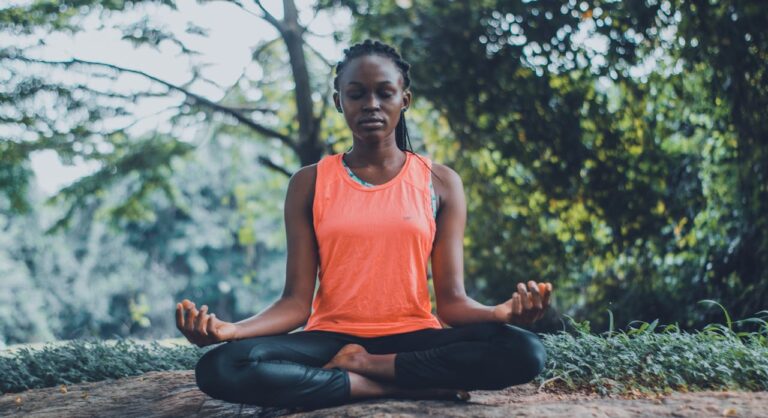
When your thoughts start racing, the 5-4-3-2-1 grounding technique can bring you back to the present moment. It’s a simple mindfulness practice that uses your senses to calm anxiety and quiet mental noise. Watch this short guided video to learn how to do it anywhere — at work, at home, or even during a stressful commute..
Progressive Muscle Relaxation Express: 4-Minute Stress Relief Method
In moments of stress, physical tension can build up without you even realizing it. This shortened version of progressive muscle relaxation helps release physical tension that stress creates in your body.
How to do it:
- Sit or lie down comfortably
- Starting with your feet, tense the muscles for 5 seconds, then release
- Work your way up: calves, thighs, glutes, abdomen, hands, arms, shoulders, and face
- As you release each muscle group, notice the contrast between tension and relaxation
- Take three deep breaths and notice how your whole body feels
Why it works:
Since stress frequently manifests itself as physical tension, it’s crucial to address it proactively. Intentionally tightening and then relaxing your muscles can be an effective way to relieve that tension.. It helps your body recognize and remember what true relaxation feels like. As a result, you can ease tension and create a sense of calm with just a few simple movements.
Perfect for:
Whether you are wrapping up your day, preparing for bed, or noticing physical tension from stress, taking a few moments to relax can make a big difference. By incorporating simple techniques, you can ease your body into a state of calm and improve your overall well-being.
The STOP Method: 1-Minute Quick Stress Relief
The STOP method is a well-known mindfulness technique designed to quickly reduce stress and improve focus. It follows four simple steps: Stop, Take a deep breath, Observe and Proceed, helping people regain control over their emotions in just one minute.
How to do it
- S – Stop what you’re doing
- T – Take three deep breaths
- O – Observe your thoughts, feelings, and body sensations without judgment
- P – Proceed with intention, choosing your next action mindfully
Why it works:
When stress kicks in, your body tends to react automatically. However, this method helps interrupt those automatic stress responses, giving you a crucial moment to pause and decide how to respond—rather than reacting impulsively. As a result, you can approach the situation with greater clarity and control.
Perfect for:
Heated moments, when you feel triggered, or before making important decisions under pressure.
Visualization Escape: 5-Minute Guided Stress Relief Technique
Transport your mind to a peaceful place, even when your body can’t go anywhere.
How to do it:
- Close your eyes and take three deep breaths
- Picture a place where you feel completely calm and safe (beach, forest, cozy room, etc.)
- Engage all your senses: What do you see, hear, smell, feel, even taste?
- Spend 3-4 minutes fully immersed in this mental escape
- Before opening your eyes, take three more deep breaths and carry that peaceful feeling with you
Why it works:
Your brain responds to vivid mental imagery almost as if it were real. Visualization can be a powerful tool for relaxation. By picturing yourself in a calm environment, such as a peaceful beach or a quiet forest, you can activate the same relaxation response you’d have in that peaceful place. As a result, your body begins to unwind, helping you feel more at ease in the moment.
Perfect for:
When you’re stuck in stressful environments, during breaks at work, or when you need a mental reset.
Watch this short guided video to learn how to visualize and gently let go of stress, anytime you need a quick reset.
How to Make These Stress Relief Techniques Work for You
Start small:
Choose one technique that feels natural to you and practice it daily for a week before adding others.
Set reminders:
Use phone alarms or calendar notifications to remind yourself to take stress-relief breaks.
Customize for your lifestyle:
Depending on the situation, different techniques might work better for different people. For instance, busy parents might prefer the STOP method during chaotic moments, whereas office workers might find the 4-7-8 breathing perfect for bathroom breaks. Either way, having a go-to strategy can make managing stress much easier throughout the day.
Practice when calm:
Don’t wait for high-stress moments to try these techniques. Practice them when you’re already relaxed so they’ll be more effective when you really need them.
The Bottom Line: Fast and Effective Stress Relief Tips
Stress relief doesn’t require a complete lifestyle overhaul or hours of free time. In fact, these techniques show that even in our busiest moments, we have the power to reset our nervous system and find calm. The key is consistency—even five minutes of intentional stress relief can make a significant difference in how you feel and function throughout your day.
Beyond its immediate benefits, managing stress can also enhance heart health, lowering blood pressure, improving circulation, and reducing the impact of stress hormones like cortisol and adrenaline. Techniques such as exercise, meditation, deep breathing, and relaxation practices activate the body’s natural “rest and digest” response, helping to counteract the effects of chronic stress.
Remember, managing stress isn’t about eliminating it entirely (that’s impossible). Instead, it’s about building resilience and having tools ready when you need them. So, start with whichever technique feels most doable today, and watch how these small moments of calm can transform your entire approach to stress.
Ready to take your stress management to the next level? Stay tuned for our comprehensive guide to daily stress management, coming soon!