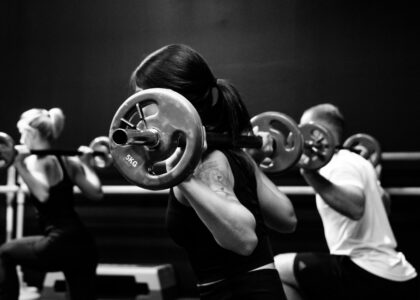
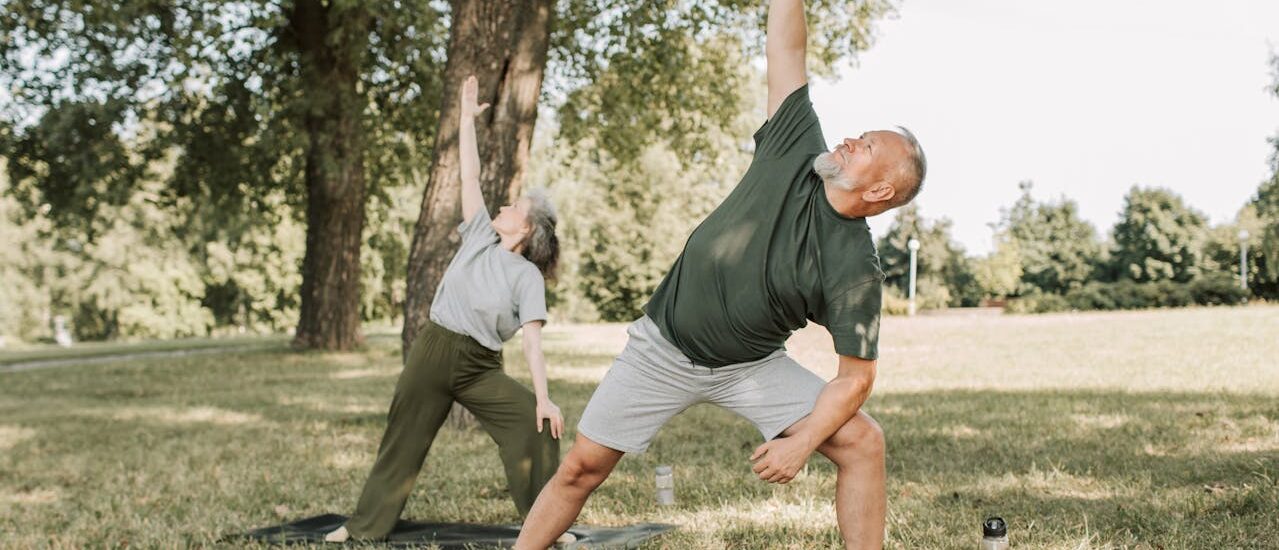
When most people hear the term anti-aging, they immediately think of skincare routines, expensive supplements or the latest wellness trends promising eternal youth. But, here’s the thing—what if I told you that the most powerful anti-aging intervention doesn’t come in a bottle or a fancy treatment? Rather, it’s something simple, accessible and incredibly effective: resistance training!
Think about it—just 30 minutes, three times a week. That’s all it takes to kickstart a transformation that goes far beyond looking toned or strong. The science is undeniable: lifting weights doesn’t just build muscle; it rewires your body to age better, stay healthier longer, and, perhaps most importantly, maintain independence as the years go by.
Revealing the Secrets to Timeless Strength
Studies indicate that weightlifting does more than just build muscle; in addition, it strengthens bones, speeds up metabolism, and elevates mental wellness. Moreover, this powerful exercise stimulates growth hormones, which may help reduce visible aging. Imagine living with energy and vitality at any age—weightlifting can help turn that dream into reality.
And it’s not just about vanity or physical strength. In fact, resistance training helps preserve bone density, keeps metabolism firing, and protects against the silent killers of aging frailty, cognitive decline, and chronic disease. In short, it’s not just about how you look, but how well you live.
Therefore, the next time you think about aging gracefully, forget the miracle cream and trendy health hacks—instead, grab some weights, put in the work, and give yourself the gift of a stronger, healthier future.
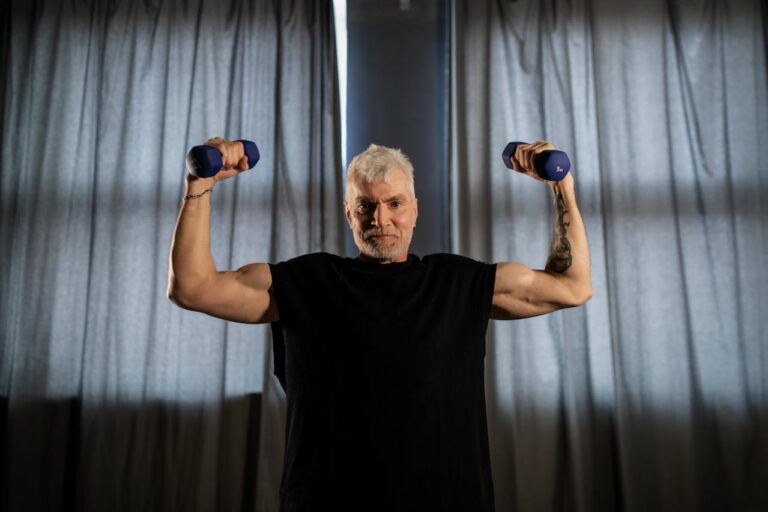
Muscle Power: Surprising Anti-Aging Benefits for Your Health
Here’s something you might not have considered — your muscles aren’t just for lifting weights, running faster, or looking toned in the mirror. In fact, they’re one of the most powerful anti-aging tools your body has. Behind the scenes, your muscles work tirelessly to keep you strong, sharp, and resilient as the years go by.
Recent 2024-2025 research is revealing even more on how powerful myokines really are for aging gracefully. For instance, a 36-week resistance-training study in older women showed increased levels of beneficial myokines — proving that strength work doesn’t just build muscle, it supports your body’s anti-aging chemistry.
At the same time, researchers are uncovering a fascinating communication network between your muscles. bones and brain. As we age, this system starts to change — levels of protective myokines like irisin and IGF-1 decline, while those of damaging ones like myostatin begin to rise.
Even your liver benefits — exercise-triggered myokines act like internal bodyguards, lowering oxidative stress and keeping your metabolism running smoothly.
And let’s not forget the brain — studies suggest that after exercise, neuro-protective myokines (like BDNF) rise, which could help maintain cognition in older age.
All of this points to muscle not just being a “moving part,” but a central anti-aging organ — one that communicates with other tissues to help you stay younger, longer.
Unlocking the Hidden Health Benefits of Weightlifting
Greater Heart Health
Weightlifting is not just about aesthetics; it plays a crucial role in heart health. Regular training can lower blood pressure and improve circulation, making your heart more efficient.
Boosts Mood and Energy
Additionally, lifting weights releases endorphins, which enhance your mood and energy levels. It’s a natural way to combat stress and fatigue, boosting your overall well-being.
Strengthens Immune System
Engaging in resistance training can enhance immune function, helping your body fight off illnesses more effectively. A stronger you is a healthier you.
Improves Balance and Coordination
Regular weightlifting improves balance and coordination, which can decrease the risk of falls. This contributes to a more active lifestyle as you age.
But that’s not all — your muscles aren’t just for strength or movement. They’re also metabolic powerhouses, working around the clock to regulate blood sugar, keep insulin sensitivity in check, and store essential amino acids that your organs rely on for repair and recovery. In short, the more lean muscle you have, the more efficiently your body runs — helping you stay healthier, more energetic, and more resilient as the years go by.
So next time you hit the gym, remember—you’re not just working out for next summer. Instead, you’re investing in a stronger, healthier future that keeps you feeling great for years to come.
Muscle Loss: The Silent Thief of Strength and Vitality
The Slow Decline Begins Early
It might surprise you to learn that muscle loss starts earlier than most people think. From around age 30, we gradually lose about 3-8% of our muscle masse every decade. At first, it’s barely noticeable — maybe a little less power when you climb stairs or carry groceries. But after 60, that decline accelerates.
And here’s the real issue: this isn’t just about losing strength or struggling at the gym. When muscle mass fades, your body’s built-in anti-aging systems start to slow down too. Metabolism drops, hormones shift, and even balance and mobility take a hit. Over time, this quiet erosion can undermine energy, independence, and overall vitality — just when you need them most.
When Muscles Fade, the Whole Body Feels It
As your muscle mass declines, your metabolism slows down — making it harder for your body to process glucose effectively. Over time, this raises the risk of insulin resistance and even type 2 diabetes. (Aging muscles show reduced insulin sensitivity and impaired insulin-mediated protein metabolism.)
Beyond metabolism, weaker muscles also mean less mechanical loading on your bones — a major stimulus that keeps them strong and dense. Without that force, bones don’t maintain their strength as well.
And perhaps most surprisingly, muscle loss may also affect your brain. That’s because muscles release protective myokines during activity — proteins like BDNF, IGF-1, and irisin — which help support cognitive function. When muscle mass falls, so does the production of these beneficial messengers.
Sarcopenia: A Preventable (and Reversible) Disease
This condition — known as sarcopenia — has become such a major health concern that many researchers now recognize it as a distinct disease linked to aging. It’s closely associated with frailty, loss of independence, and chronic disease risk.
But here’s the encouraging part: sarcopenia isn’t inevitable. In fact, it’s both preventable and reversible. With the right combination of strength training, nutrient-rich foods, and daily movement, you can rebuild muscle, reignite your metabolism, and keep your body performing at its best — no matter your age.
Strength Training: How the Weight Room Reverses Aging
In essence, when you lift weights, you are essentially turning back the biological clock and giving your body the tools it needs to age well. To understand how, let’s break it down:
Immediate Effects?
From the moment you start resistance training, your muscles release a flood of myokines—powerful proteins that boost brain function, reduce inflammation and support tissue repair. Simultaneously, blood flow surges, delivering oxygen and nutrients throughout your body, while your nervous system sharpens, learning to recruit muscle fibers more efficiently.
The Short-Term Adaptations (Weeks to Months)
Stick with it, and you notice muscle growth, stronger bones, better insulin sensitivity, and a faster metabolism. In fact, your body will become so efficient that it burns more calories even when you’re just sitting still.
The Long-Term Benefits (Months to Years)
Commit to weightlifting, and your entire aging trajectory shifts. Studies show that regular strength training leads to:
- lower rates of heart disease, diabetes, and stroke
- better cognitive function and reduced dementia risk
- stronger bones and fewer fractures
- improved balance and reduced fall risk
- greater independence in daily life
- longer lifespan overall
One study from the Harvard School of Public Health found that just 60 minutes of strength training per week was linked to a 20% lower risk of death from any cause.
Another study revealed that older adults who lifted weights twice a week for 6 months showed preserved brain volume in hippocampus and precuneus. Notably, these areas are linked to memory and cognitive function. While these regions typically shrink with age but strength training, in contrast, appeared to slow this process.
Your Fitness Adventure Begins Here
The Weightlifting Journey: Embrace Change at Any Age
Starting a weightlifting journey can feel a bit daunting if you’re just stepping into the gym. Remember, everyone begins somewhere. It’s less about lifting the heaviest weights and more about taking that first step and enjoying the changes it brings. No matter your age, weightlifting can be adjusted to suit you. The pride you feel from your progress—both in body and mind—is incredible. Celebrate each rep, every set, and all moments of growth!
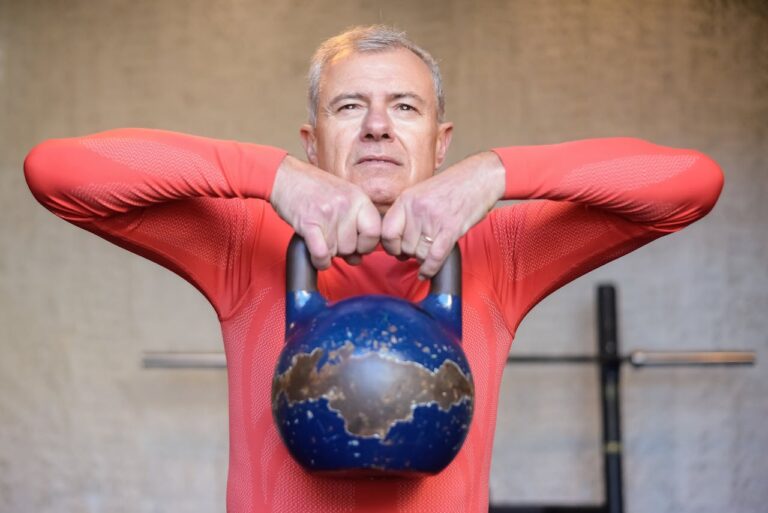
Anti-aging Strength Training at Any Age: It’s Never Too Late or Too Early
Strength Training Works — No Matter Your Age
One of the most amazing things about strength training is this — it works at any age. Whether you’re 25, 45, or 70, lifting weights has the power to reshape not just your body, but your overall health, energy, and longevity. Every time you challenge your muscles, you’re sending a powerful message to your body: stay strong, stay young, and keep adapting.
Even in Your 80s, the Body Can Rebuild
Here’s a striking example: in a landmark study published in The England Journal of Medicine, researchers followed nursing home residents with an average age of 87 as they began a simple resistance training program. After just ten weeks, their strength increased by an incredible 113%, and many who had relied on walkers were able to stand and walk unassisted for the first time in years. Muscle mass grew, bone density improved, and daily tasks became easier — proving that it’s never too late to rebuild strength and vitality.
This study sends a powerful message: the human body never truly loses its ability to adapt. Whether you’re rebuilding strength at 80 or maintaining it at 30, the same principle holds true — consistent resistance training keeps your muscles active, your metabolism engaged, and your body biologically younger. The earlier you start, the more you preserve; but even if you begin later, your body will respond with remarkable resilience.
Start Early, Stay Strong for Life
Scientific research backs up the idea that building strength early isn’t just for looking good — it sets you up for long-term health. Long-term resistance training has been shown to boost cognitive function and preserve brain volume, especially in older adults.
On top of that, strength training supports your skeleton: studies show consistent resistance work helps maintain or increase bone mineral density, reducing the risk of osteoporosis.
Even for people in their 90s, regular exercise improves muscle strength and bone health, reinforcing that it’s never too early — or too late — to build your biological ‘insurance policy’.
No matter when you begin, it’s never too late—or too early—to invest in your strength. After all, the benefits aren’t just about fitness; they are about securing a stronger, healthier future at every stage of life.
Getting Started with Strength Training: Your Anti-Aging Guide
The best part about resistance training? You don’t need to be a powerlifter or spend hours in the gym to reap the benefits. Three sessions per week, focused on major groups, can deliver powerful anti-aging effects—you strong, mobile and healthy for years to come.
Your Minimum Effective Dose
If you are looking for maximum results in minimal time commitment, here is what works:
- 2-3 strength training sessions per week
- 6-8 exercises targeting major muscle groups
- 2-3 sets of 8-15 reps per movement
- progressive overload—gradually increasing weight or reps over time
Key Movements to Focus On
To build functional strength and longevity, make sure you are including:
- squat or leg presses (legs and glutes)
- deadlifts or hips hinges (posterior chain)
- pushing movements (chest, triceps, shoulders)
- pulling movements (back, biceps)
- core strengthening exercises
If yo are new to resistance training, start with bodyweight movements to build confidence and proper form. Then, gradually add external weights as you progress. The key is consistency and challenge—your muscle need to keep adapting to new demands to stay strong and keep producing those beneficial myokines that protect your body and brain.
Transforming Your Approach to Fitness
All too often, we see exercise as a chore, something we ‘should’ do rather than something we ‘want’ to do. That’s why this mindset shift is crucial! Embrace weightlifting not just as a workout, but as a powerful investment in your health and vitality. Now, imagine redefining fitness as an exciting journey filled with personal growth, empowerment, and a celebration of progress at every stage.
Beyond Fitness: The Anti-aging Mental Health Benefits of Strength Training
Beyond the body, resistance training is a powerful tool for the mind as well. While the physical benefits are well known, equally important, the mental and cognitive perks are just as impressive.
How Strength Training Transforms Your Mind
When you lift weights, you are strengthening your mental resilience too. Research shows that regular strength training can:
- reduce symptoms of depression and anxiety, helping regulate mood and stress.
- improve cognitive function and memory, keeping your brain sharp as you age.
- increase confidence and self efficacy, reinforcing the belief that you can tackle challenges.
- enhance sleep quality, leading to deeper, more restorative rest.
- boost your overall sense of well-being, making everyday life feel more balanced and energized.
And here is the magic—progressively overcoming physical challenges in the gym builds mental toughness in ways that go far beyond exercise. The discipline, patience, and determination needed to push through tough workouts translate into greater resilience in all aspects of life.
There is something deeply empowering about knowing that with every rep, every set, and every workout, your body isn’t just avoiding decline—it’s actually getting stronger.
Start Strength Training Today: Why The Time Is Now
Every day you put off resistance training is another day your body isn’t operating at its best. Think of it this way: each workout as a deposit in your biological bank account—building reserves of strength, muscle mass, and metabolic health that will pay off for decades.
The best part? You don’t need to be perfect. You don’t need fancy equipment or a high-end gym membership. Instead, all you need is consistent, progressive resistance applied to your muscles. Whether it’s bodyweight exercises, dumbbells at home, or a structured program in the gym, the key is simply starting. Your future self—your 80-year-old self—will thank you.
After all, the fountain of youth? It isn’t some miracle serum or mystical spring. It’s far more practical than that. It’s the simple act of challenging your muscles, keeping your biological systems strong, and ensuring your body ages on your terms.
So ultimately, the real question isn’t whether you have time to lift weights. It’s whether you can afford not to.
Exercise: The Most Potent Tool for Longevity
As longevity expert Dr. Peter Attia emphasizes, no intervention beats exercise when it comes to extending both lifespan and healthspan.
https://youtube.com/shorts/j3mHZ7g3xkE
Source: Youtube video
clip from Dr. Peter Attia’s “The Drive” podcast — renowned longevity physician and researcher.
Embracing Strength as the True Fountain of Youth
I’ve practiced sports to varying degrees throughout my life, always finding joy and deep satisfaction in movement. Sport hasn’t just shaped my body — it’s forged my mind and strengthened my fighting spirit.
Now that I’ve passed the age of 50, I’ve naturally noticed a few changes. It takes me longer to warm up, I need more recovery time, and I’ve lost a bit of flexibility. But overall, I feel great — strong, capable, and full of energy.
Strength training has become a cornerstone of my life. I no longer train just for aesthetics, but for longevity, health, and vitality. I want to hold on to this feeling of empowerment and strength for as long as possible — because once you cross that 50-year threshold, nature gently reminds you that power and beauty are fleeting. You start to value your health, your nutrition, your sleep — everything that keeps you feeling alive.
So if, like me, exercise is already part of your life, your goal becomes simple yet profound: to preserve that vivid sense of strength, capability, and joy for as long as possible.
Because in the end, building and maintaining muscle isn’t just about fitness — it’s about aging powerfully, gracefully, and on your own terms.
Beyond Muscle: The Bigger Picture of Longevity
If there’s one clear takeaway from this article, it’s that exercise truly is the closest thing we have to a magic anti-aging solution. Strength training keeps your body young, your metabolism sharp, and your mind resilient — it’s the foundation for living longer, stronger, and better.
But here’s the thing — longevity isn’t built on exercise alone. It’s part of a holistic equation. The world’s longest-living populations, like the Okinawans of Japan, remind us that true vitality comes from balance: clean, nutrient-rich food, daily movement, meaningful social connections, and the ability to rest and recover.
In other words, muscle is your starting point — but not the full story.
Over the next few posts, we’ll explore the other key ingredients of a long, vibrant life:
Nutrition, Recovery, Sauna, and the Power of Social Bonds.
Because staying young isn’t about chasing time — it’s about creating a lifestyle that helps you thrive at every age.
Exercise Every Day: Longevity Lessons from a 101-Year-Old
To close, here’s living proof of what consistency and movement can do.
Dr. John Scharffenberg, now 101, shares how daily exercise helped him outlive his brothers and remain full of life.
https://www.youtube.com/shorts/HfUpKahreG8
Source: Youtube video
Clip from Dr. John Scharffenberg, 101-year-old nutrition professor and preventive medicine specialist, known for his advocacy of exercise and plant-based living.