

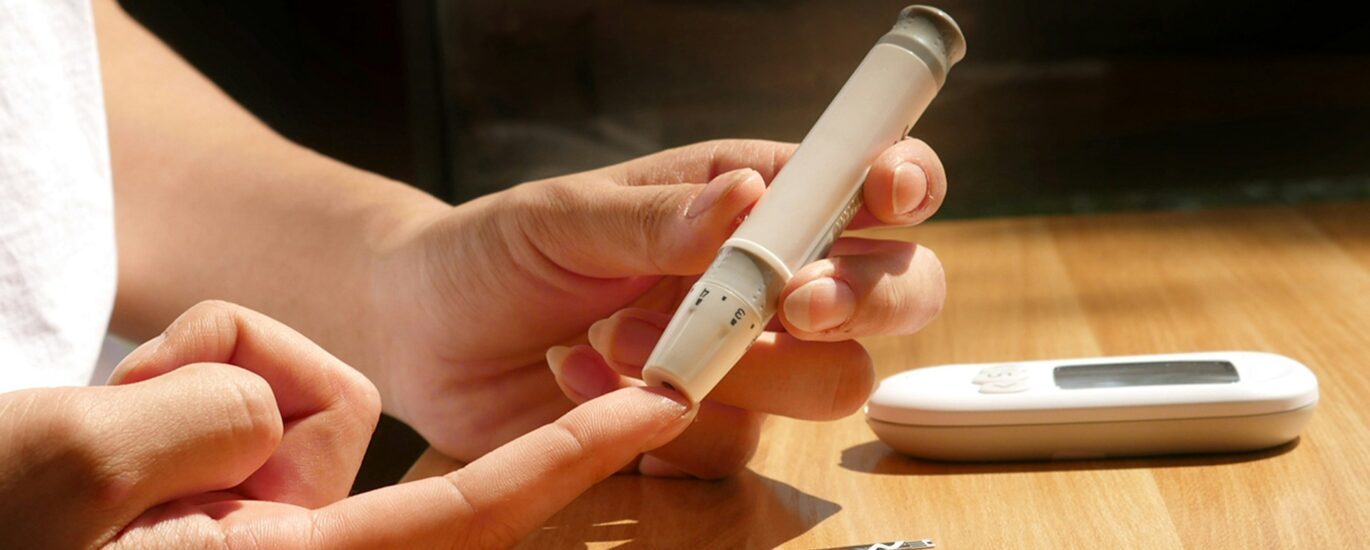
Ever feel like you are doing everything right—eating well and staying active—yet your body still fights back? You might be missing the subtle warning signs of insulin resistance.
You are not alone. Above all, it is not a lack of willpower.
Insulin resistance develops slowly. In fact, it often flies under the radar for years. Because early symptoms are easily blamed on stress, aging, or fatigue, many people miss the initial warning signs of insulin resistance.
Fortunately, recognizing these signals early is the key to turning your metabolic health around. Here are 7 subtle, overlooked red flags—and what you can do about them.
- Note: While this guide focuses on the hidden warning signs, it is just one piece of the puzzle. To see the big picture of how blood sugar impacts your physique, check out our core pillar post on Insulin Resistance: How It Prevents Fat Loss.
1. The Energy Roller Coaster
Do you feel great right after eating, only to crash a few hours later?
That brutal post-meal slump is not just a sign that you need coffee. Instead, it signals that your blood sugar and insulin levels are spiking and plummeting. When your cells cannot absorb glucose properly, your energy crashes. Consequently, you feel drained mid-afternoon.
2. Stubborn Midsection Fat
Are you losing weight everywhere except around your waist? If so, elevated insulin might be the culprit.
Insulin acts as a primary storage hormone. When your body resists it, your pancreas releases even more insulin to clear blood sugar. As a result, constantly high insulin keeps your body stuck in “storage mode.” This specifically promotes fat storage around your abdomen, which makes fat loss feel nearly impossible.
3. Constant Hunger & Carb Cravings
Do you feel hungry shortly after eating, or crave sweets all day long? That is actually your cells calling for energy.
Because glucose gets locked out of your cells, your brain assumes you are starving. Therefore, it sends intense signals to eat quick-digesting carbs.
4. Unusually Slow Workout Recovery
Do you struggle to bounce back between workouts? Poor insulin sensitivity might be playing a role.
Specifically, insulin resistance limits your body’s ability to restore glycogen (stored sugar). Furthermore, it hinders the delivery of amino acids to your muscles. As a result, muscle recovery slows down, soreness lingers, and fitness progress stalls.
5. Disrupted Sleep & Nighttime Waking
Waking up multiple times throughout the night is frustrating. Likewise, feeling drained after 8 hours in bed is a red flag.
This issue can often be linked to unstable blood sugar. When blood sugar drops sharply overnight, your body releases stress hormones like cortisol and adrenaline to raise it back up. Unfortunately, this process wakes you up in the middle of the night.
6. Skin Changes: Visible Warning Signs of Insulin Resistance
Visible changes on your skin can be a direct red flag. For example, darker, velvety patches of skin—known as acanthosis nigricans—frequently appear on the neck, armpits, or groin.
High levels of circulating insulin stimulate skin cells to reproduce rapidly. Consequently, this leads to these characteristic patches as well as small skin tags.
7. Brain Fog, Irritability, and Focus Issues
Do you feel unusually irritable, anxious, or unfocused between meals?
Your brain relies on a steady supply of glucose to function smoothly. However, when blood sugar drops rapidly due to poor insulin control, your brain suffers. As a result, you might experience sudden mood swings, anxiety, and mental fatigue.
Summary of Warning Signs
|
Warning Sign |
Primary Cause |
What It Feels Like |
|
Post-Meal Slump |
Blood sugar & insulin spike/crash |
Extreme fatigue 1–2 hours after eating |
|
Belly Fat Retention |
Constant elevated insulin keeping body in fat storage mode |
Weight loss everywhere except the waistline |
|
Intense Cravings |
Cells unable to absorb glucose efficiently |
Constant hunger for carbs and sweets |
|
Prolonged Soreness |
Impaired glycogen replenishment & protein synthesis |
Taking days longer than usual to recover from workouts |
|
Skin Markers |
High circulating insulin hyper-stimulating skin cells |
Dark velvety patches (acanthosis nigricans) or skin tags |
Are You Displaying These Insulin Signs?
If you prefer a quick visual walkthrough of the warning signs—from skin tags and waistline fat to afternoon slumps—check out this concise 8-minute breakdown:
https://www.youtube.com/watch?v=9gbCvtNWAZY
Key Takeaways from the Video:
-
Recognizing Early Signals: Subtle daily signs like post-meal fatigue and constant cravings often show up long before standard blood sugar tests signal a problem.
-
Visceral & Body Fat: How elevated baseline insulin traps fat specifically around the abdomen and midsection.
-
Reversibility: Spotting these indicators early allows you to take immediate control through exercise timing and targeted nutrition.
Key Takeaway
Insulin resistance is not a permanent sentence. Instead, it is a metabolic roadblock that you can actively reverse. By spotting these hidden red flags early, you can take control of your metabolic health through targeted exercise, meal timing, and simple lifestyle tweaks.
- Next Step: Ready to start turning things around? Check out our complete guide on Insulin Resistance: How It Prevents Fat Loss, or get moving with our Strength Training for Insulin Sensitivity:GLUT-4 Explained.