

Disclosure: This post may contain affiliate links or paid partnerships. I may earn compensation if you click a link or make a purchase, at no additional cost to you. See my disclosure for more info.
If you are wondering what happens to your body after 30, you are not imagining things. If you are in your late thirties, forties, or fifties, have you ever felt like your body quietly changed the rules of the game?
Perhaps the exact workout routine or calorie deficit that used to lean you out in your twenties now leaves you feeling exhausted, with stubborn weight that refuses to budge. You are not failing—your body is simply starting to ask for different inputs. Muscle, sleep, hormones, cardio, skin, and bone all begin to shift. If you ignore these biological signals, their effects compound over time. However, if you change your inputs early enough, you completely change your trajectory.
Here is a deep dive into the six critical changes that happen to your body after 30, and the actionable, science-backed steps you can take to stay strong, energized, and metabolically resilient.
Muscle Loss (Sarcopenia)
What happens: Muscle mass peaks in your late twenties, and from then on, it naturally slips by about 1% a year. Your body stops building muscle on autopilot.
How it feels: This is why the diet that always worked in the past suddenly stops working. Because muscle is metabolically active tissue that burns calories even at rest, losing it causes your daily energy expenditure to drop.
How to fix it:
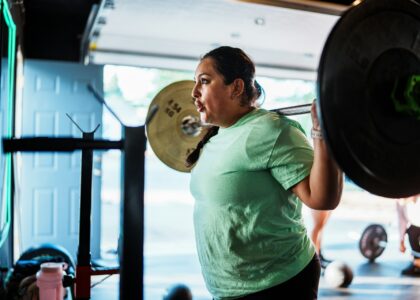
Lift heavy weights 2 to 3 times a week to stimulate hypertrophy and protect your metabolic rate.
Prioritize real, high-quality protein at every single meal to support muscle protein synthesis.
To learn more about structuring your routine, check out this guide on Muscle Growth After 40: A Simple Guide to Hypertrophy.
Sex Hormone Decline
What happens: In men, testosterone levels fall quietly by about 1% to 2% a year from the thirties onward. In women, ovarian reserve declines measurably through this decade, setting the stage for the estrogen and progesterone swings of perimenopause later on.
How it feels: Slower recovery times after physical activity, a thinner drive, and a shorter fuse for stress.
How to fix it:
Get baseline medical labs done so you actually know your numbers.
Implement consistent strength training and protect your sleep to naturally support hormonal health. Explore hormone replacement therapy (HRT) with your healthcare provider if needed.
Deep Sleep Decline
What happens: Slow-wave sleep—the deepest stage where your body does the vast majority of its physical repair and cellular restoration—falls steadily throughout adulthood.
How it feels: You can spend a full eight hours in bed and still wake up feeling unrecovered and groggy.
How to fix it:
Optimize your peri-sleep hygiene by maintaining a consistent wake time every single day.
Keep your bedroom cool, pitch-dark, and put your screens down early.
Explore deeper strategies for rest in The Power of Sleep: Why Quality Rest Becomes Non-Negotiable as We Age.
VO2 Max Decline (Aerobic Capacity)
What happens: Your VO2 max —the ultimate ceiling for how your body uses oxygen and the primary engine behind your stamina—begins to fall. This decline happens in every decade, speeding up to roughly 3% to 6% per decade in your thirties, even if you stay active.
How it feels: Getting winded climbing a flight of stairs that used to feel effortless.
How to fix it:
Build a solid Zone 2 cardio base (steady, conversational aerobic exercise).
Add short, high-intensity intervals twice a week. Remember, VO2 max can climb back up at any age if you train for it.

Skin Collagen Loss
What happens: Natural collagen production starts dropping. Because collagen is the structural scaffolding that keeps your skin firm, it falls by roughly 1% a year across adult life.
How it feels: Skin that creases more easily, forms expression lines faster, and bounces back much slower.
The Fix:
Wear daily sunscreen, which does more to prevent premature aging than almost any expensive serum.
Incorporate a retinoid cream at night and eat enough protein alongside vitamin C-rich foods to support internal collagen synthesis.
Bone Density Loss
What happens: Bone mass peaks in your third decade. After that milestone, you are defending a balance you can no longer easily add to, and bone loss runs completely silent for years. In women, this loss accelerates sharply at menopause.
How it feels: You feel nothing at all—until a minor slip leads to a major fracture.
How to fix it:
Bones respond directly to mechanical load. Lift heavy weights and incorporate impact exercises.
Ensure adequate intake of protein, calcium, and vitamin D, and consider getting a DEXA scan baseline to track your bone mineral density.
For a closer look at protecting your structural framework, read Bone Health After 40: How Weight Training Prevents Bone Loss.
Change Your Inputs, Change Your Trajectory
Aging past 30 is not a decline into inevitability; it is an invitation to change how you care for your body. By shifting your priorities away from restrictive crash diets and toward building muscle, protecting your sleep, and supporting your metabolic health, you take back control.
Your future self will thank you for the choices you make today.