When optimizing your bone health after 40, most people focus on what shows in the mirror—melting stubborn midsection fat, toning arms, or building lean muscle. We rarely think about our bones until something goes wrong—a painful fall, a sudden fracture, or an unsettling diagnosis of osteopenia or osteoporosis.
For decades, traditional advice taught us to treat our skeletons like fragile, brittle structures as we age. We were told to tread lightly, avoid heavy lifting, and rely solely on a daily glass of milk.
Modern bone physiology paints a completely different, empowering picture. Your skeleton is not an inert, unchanging scaffold. It is a dynamic, living organ that actively craves physical stress. To maintain a resilient, fracture-resistant body throughout your 40s, 50s, and beyond, you have to give your bones a biological reason to stay strong.
The Dynamic Balance: Osteoclasts vs. Osteoblasts
Your bones exist in a continuous cycle of construction and demolition, managed by two highly specialized cell types:
-
Osteoclasts: The biological demolition crew. They travel along the bone surface, breaking down and dissolving old or worn-out bone tissue.
-
Osteoblasts: The construction crew. They follow closely behind, laying down fresh protein matrices and filling them with critical minerals like calcium and phosphorus to build dense, new bone.
In your teens and 20s, the construction crew wins out, peaking total bone mass around age 30.
The Menopause & Midlife Acceleration Factor
As we enter our 40s and 50s, this balance shifts—particularly for women navigating perimenopause and menopause. Dropping estrogen levels accelerate the demolition crew (osteoclasts) while slowing down the construction crew (osteoblasts). Left unchecked, this imbalance quietly hollows out the bone matrix from the inside, turning dense bone into a porous structure.
To dive deeper into how heavy lifting supports your hormones during midlife, check out our full guide on Strength Training for Women: Why Lifting Heavy Becomes Even More Important After 40.
Mechanotransduction: How Movement Shapes Bone Architecture
How do you tilt the scales back in favor of the construction crew? Through a cellular process known as mechanotransduction.
Bones adapt to the exact mechanical demands placed upon them. When you lift a heavy weight or execute an impactful step, your muscles contract forcefully, pulling directly on the tendons attached to your frame. This mechanical pull deforms the bone matrix on a microscopic, completely safe level.
Inside the bone, fluid moves through microscopic channels, stimulating specialized sensor cells called osteocytes. When osteocytes detect physical stress, they send immediate chemical signals to rally the osteoblast construction crew. In response, your body rushes minerals to the high-load areas, thickening the outer cortical shell.
This process is governed by Wolff’s Law: bone grows or remodels in response to the forces applied to it. Conversely, prolonged inactivity or relying exclusively on non-weight-bearing exercises removes the stimulus required to safeguard bone health after 40.
The 3 Best Ways to Load Your Skeleton After 40
To trigger bone remodeling effectively, mechanical stress must be dynamic, progressive, and multi-directional.
- Note: If you have existing joint conditions or low bone density, consult a physical therapist or physician before initiating heavy loading.
1. Progressive Resistance Training
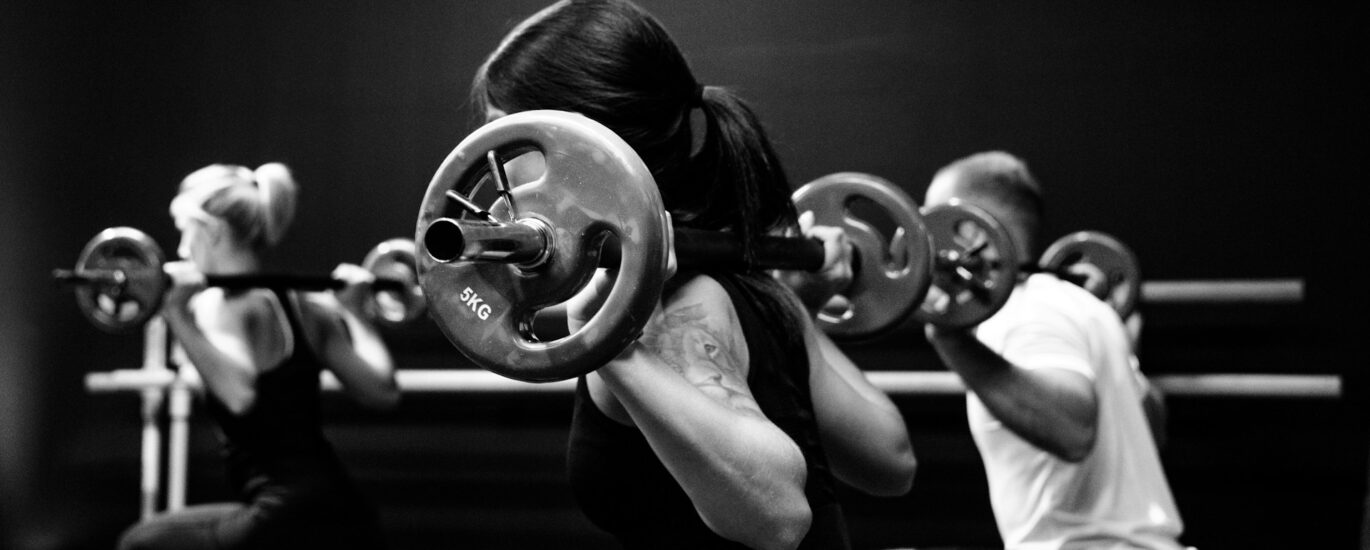
Lifting weights is the gold standard for long-term bone health after 40. Focus on compound movements that place a structural load through your spine and hips—the two most vulnerable fracture sites. Exercises like squats, deadlifts, overhead presses, and heavy carries force major bones to fortify themselves against load.
2. Controlled Plyometrics & Impact
Don’t fear controlled impact. Short, sharp bursts of force—such as jumping rope, light box drops, or high-knee skips—create a rapid mechanical stimulus that osteocytes respond to exceptional well. Even 10 to 20 controlled jumps a day can meaningfully stimulate hip bone mineral density.
3. Multi-Directional Movement
Bones adapt to specific angles of stress. Moving only in a straight line (like walking or treadmill running) strengthens bone along a single plane. Incorporate lateral lunges, side-steps, and rotational movements to build a skeleton prepared for real-world movement.
The Skeletal Strength Toolchest: Recommended Gear & Resources
Protecting your skeletal frame requires consistent physical habits. Equipping your home environment with the right tools ensures you can safely scale intensity and maximize your strategy for bone health after 40.
-
Premium Adjustable Dumbbells
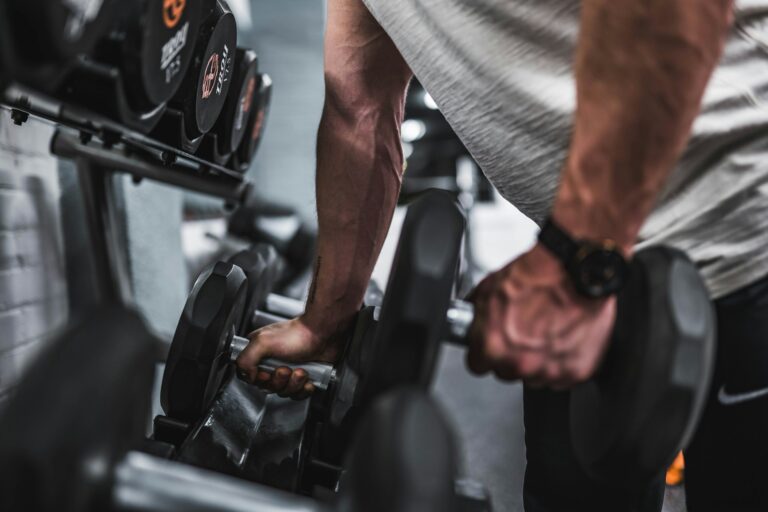
To continuously apply Wolff’s Law, you must practice progressive overload. Investing in a high-quality set of quick-adjust dumbbells (ranging from 5 to 50+ lbs) allows you to gradually increase resistance as your strength improves, eliminating the need for a massive home gym setup.
-
Ergonomic Weighted Walking Vests
Turn a daily walking routine into a bone-building workout. A sleek, evenly weight-distributed vest (starting at 5–10% of your body weight) adds vertical load to your spine and hips with every step without straining your lower back.
-
High-Purity Vitamin D3 & K2 Supplements
Calcium is the raw building block of bone, but your body cannot absorb it effectively without Vitamin D3. Furthermore, Vitamin K2 acts as the routing signal, helping ensure calcium deposits directly into your bones rather than arterial walls. Before purchasing, review our guide on Reading Supplement Labels Over 40: The Ultimate Guide to ensure you’re getting pure, third-party tested formulations.
-
Non-Slip, High-Density Fitness Mats
When practicing plyometrics or lifting heavy weights at home, a standard thin yoga mat isn’t enough. An extra-thick (at least 7mm to 1/2-inch), shock-absorbing fitness mat protects lower-body joints from harsh impact vibration while keeping your stance stable.
What is one weight-bearing habit you are going to commit to this week to protect your long-term mobility? Let me know in the comments below!